
Metal Forming: Workpiece Support Through Motion
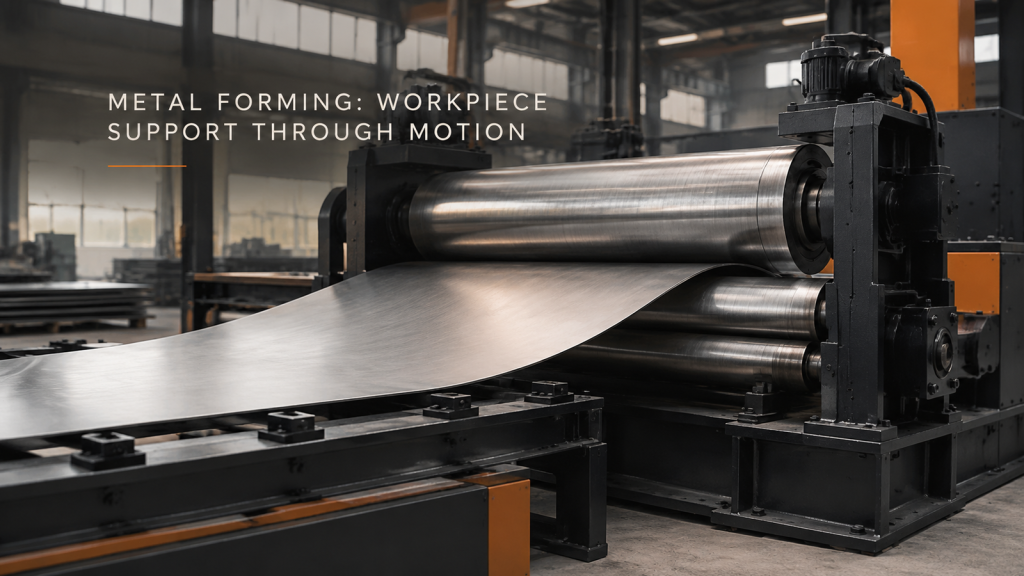
Describe sheet and cylindrical workpiece support through loading, forming and removal, then define the contour or fit to inspect.
Robotic Fastening: Approach and Withdrawal Space
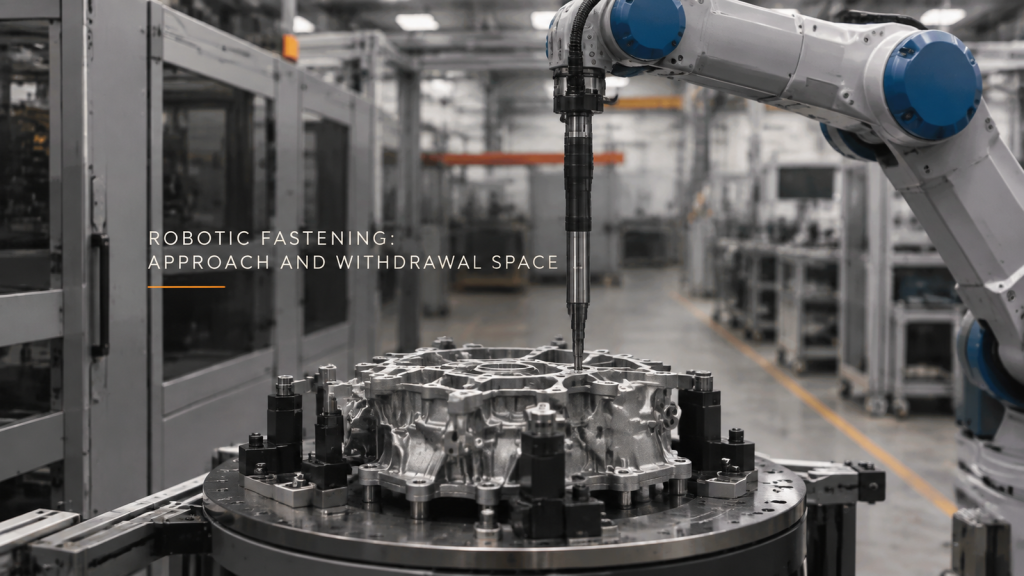
Check complete fastening tool entry and withdrawal at each bolt position while keeping access evidence separate from connection verification.
Circumferential Welding: Clamping and Seam Access
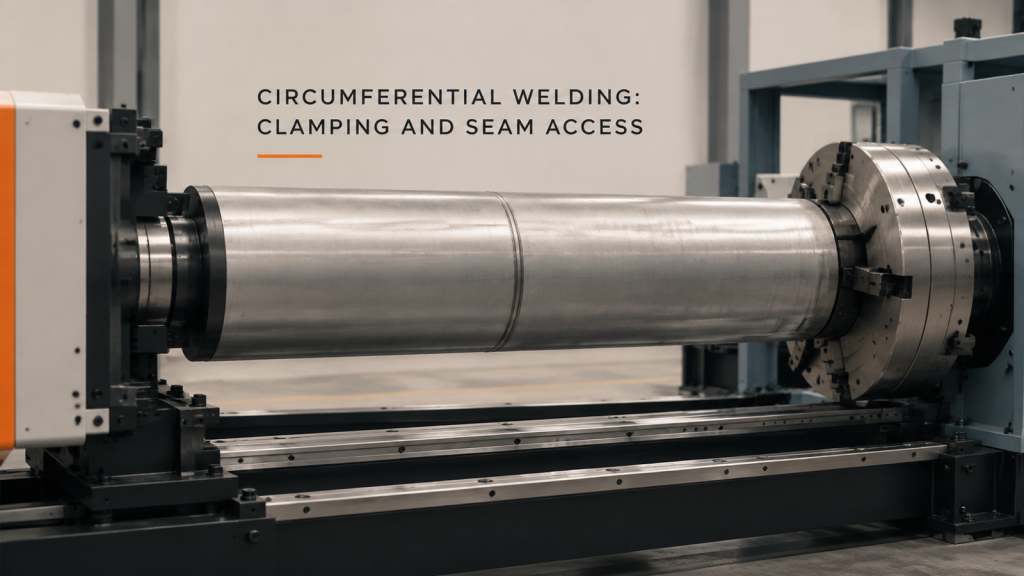
Compare the clamped cylinder seam with torch working space and loading access, while keeping process identity and weld acceptance separate.
Plate Rolling Feed and Exit Space

Include the developing curved plate in feed, support and removal planning; assess different filmed rolling stations separately.
Screwdriving Tool and Guarding Layout

Review screwdriving tools, fixtures and guarding through required application tasks, with tightening quality supported by its own records.
Rotating Weldment Clearance Review
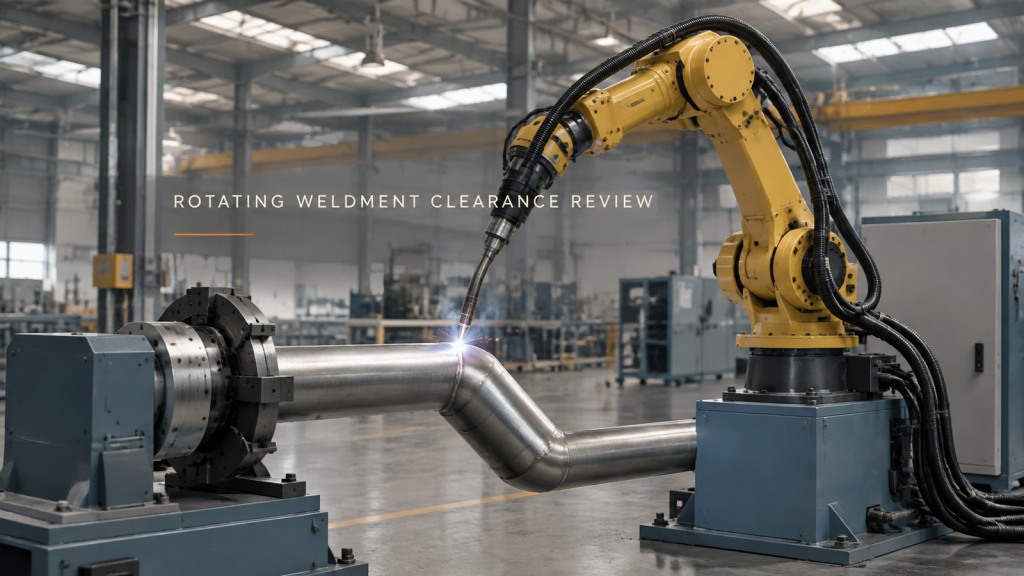
Review a rotating weldment with the loaded fixture and torch envelopes together, without confusing motion with joint acceptance.
Robot Inspection Viewpoint Planning
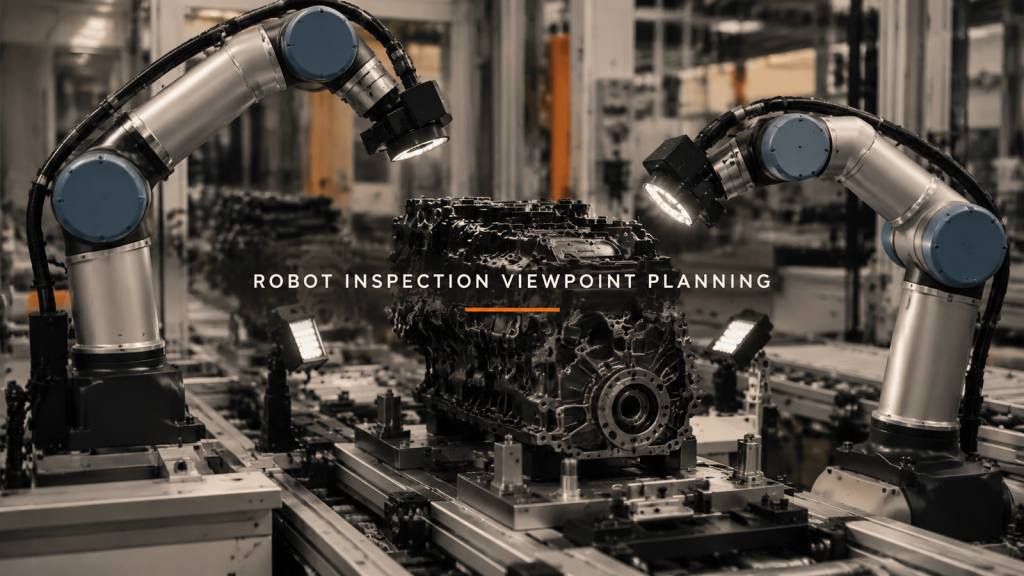
Decide which inspection viewpoints add useful target information, then validate the image conditions and decision evidence.
Four-Station Machining: Datum and Rotation Clearance
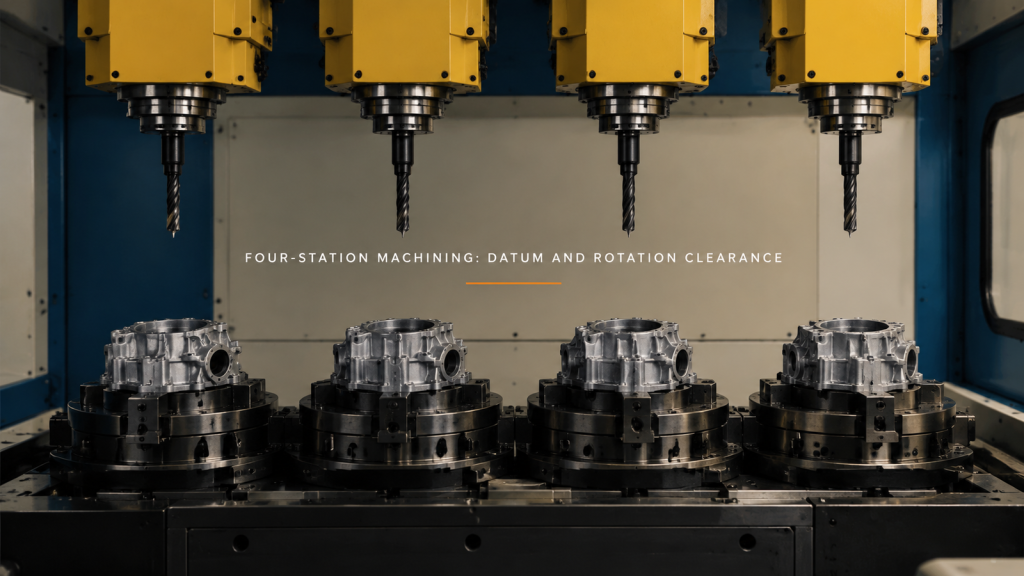
Review four-station machining through workpiece location, tool withdrawal and fixture rotation. Separate visible motion from measured accuracy.
Machine Tending Handoff: Part Support and Gripper Exit
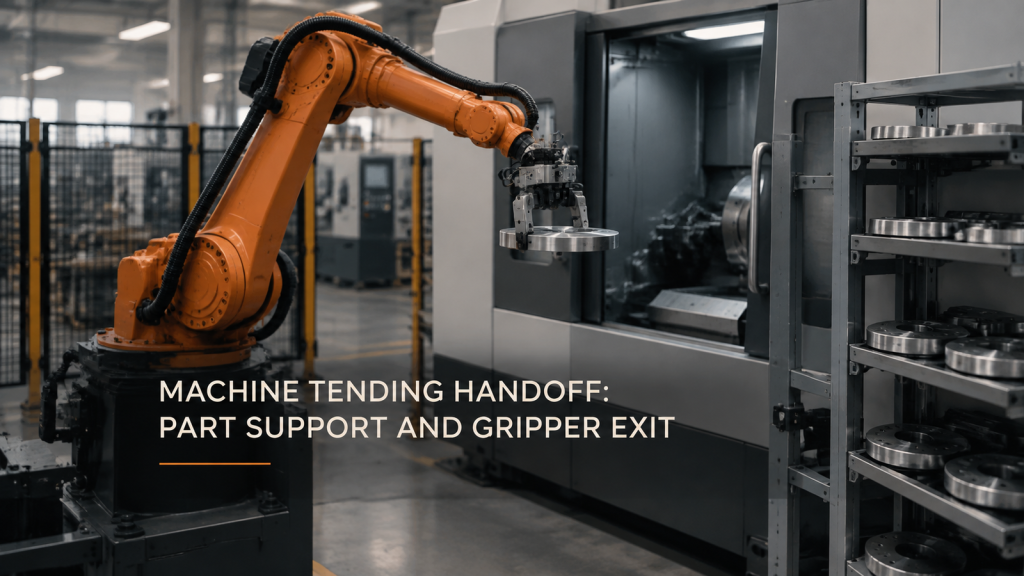
Machine tending handoff depends on continuous part support, receiver clearance and a usable gripper exit. Review the disc and tool together.
Robot Dispensing Bead Consistency at Corners
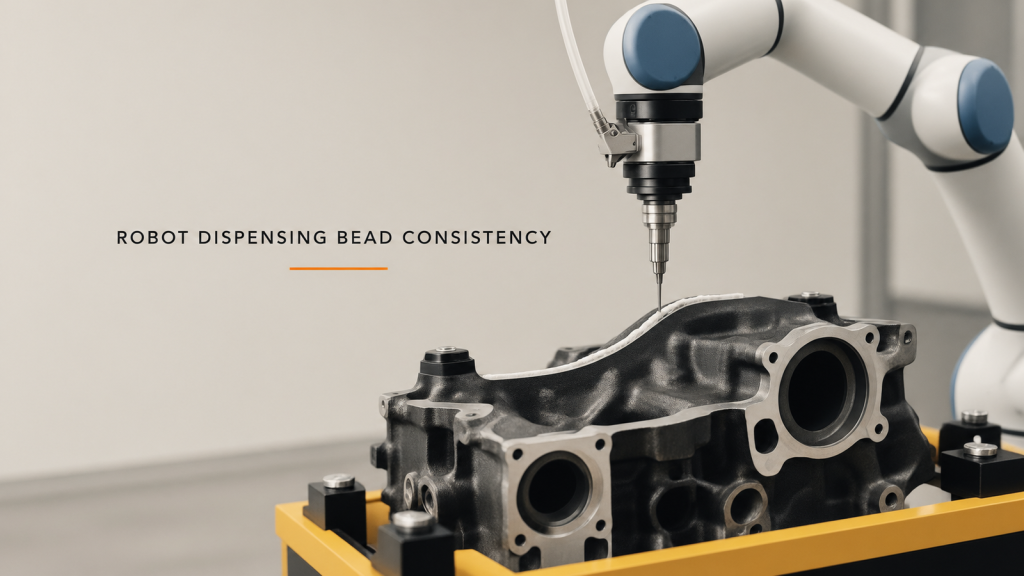
Review robot dispensing bead consistency by connecting corner speed, flow response, nozzle posture and inspection of the actual bead.
Thread Rolling Machine Tending: Align the Handoff
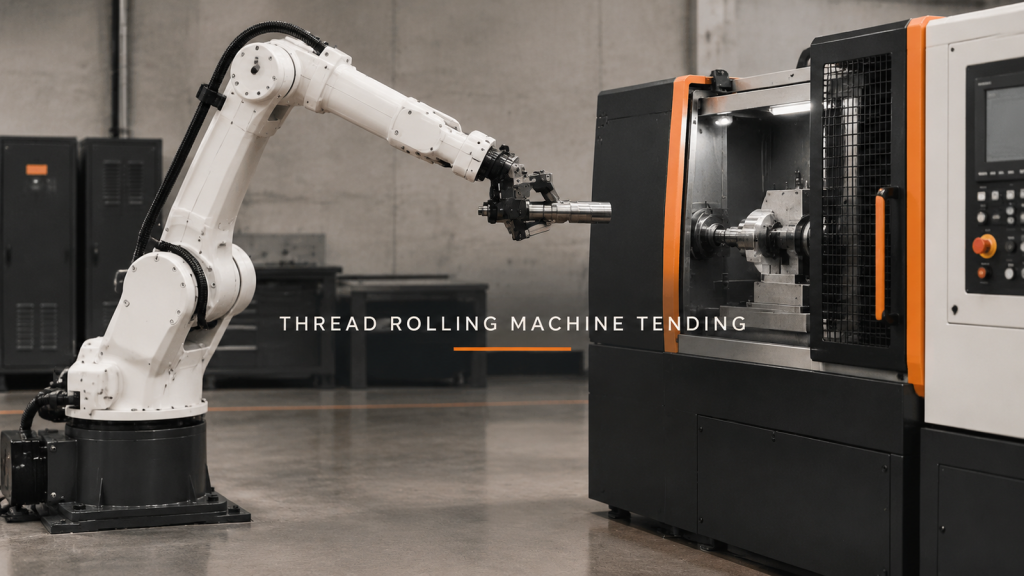
Plan thread rolling machine tending around blank alignment, support transfer, release and safe withdrawal before checking the rolling result.
Dual-Robot Welding: Shared Zone Before Cycle Time
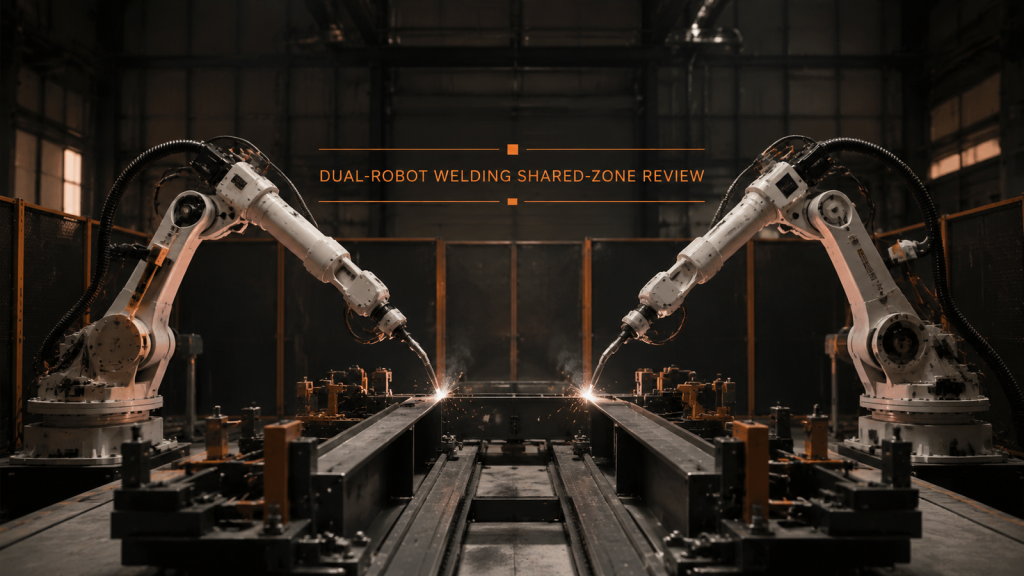
Dual-robot welding needs separate work zones, controlled shared-zone entry, predictable waiting poses and verified recovery before speed.