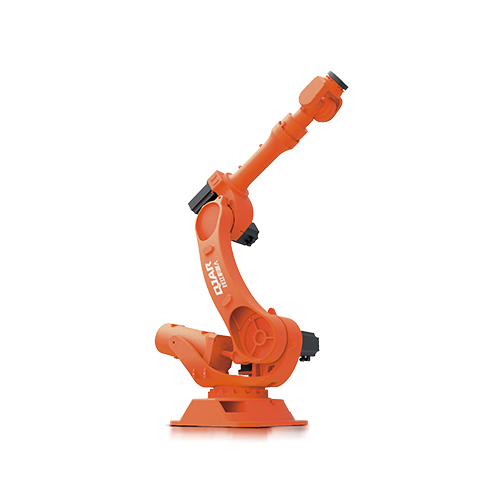
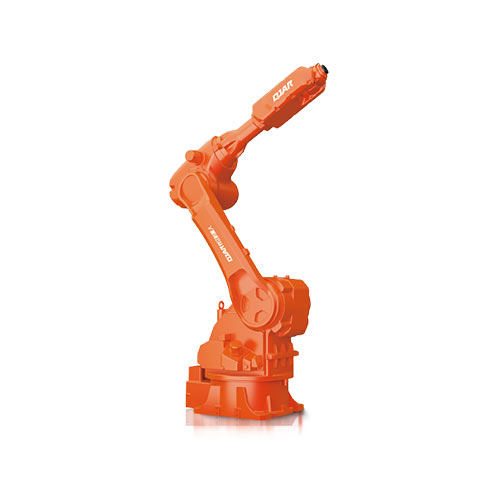
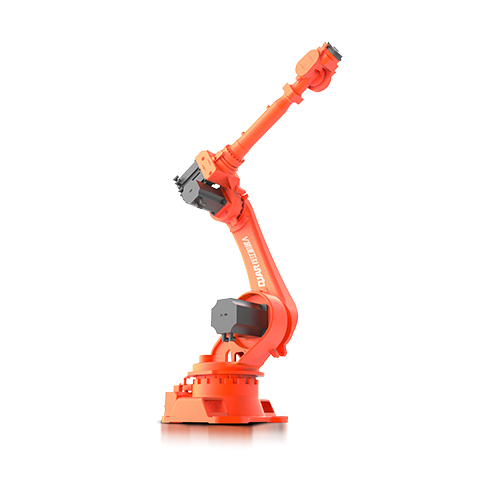
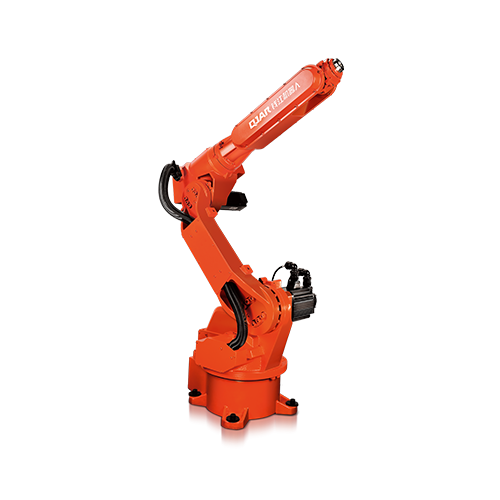
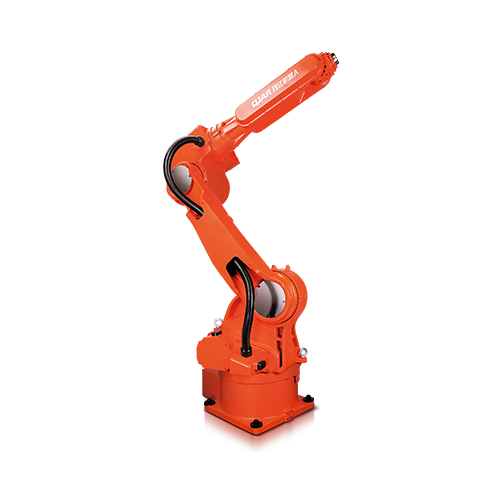
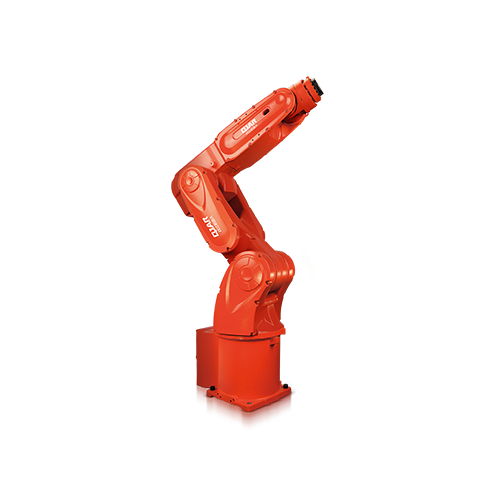
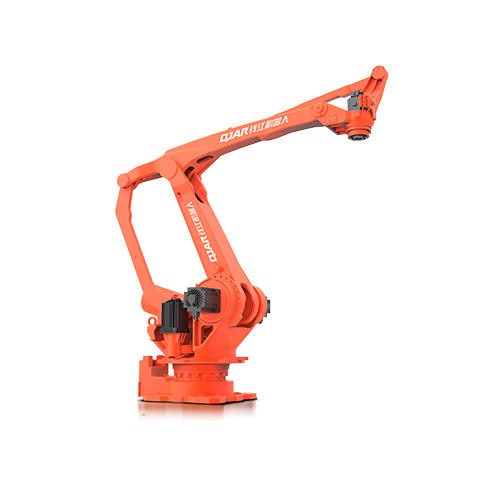
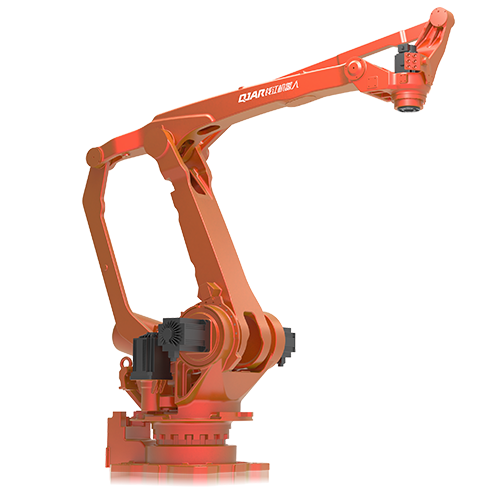
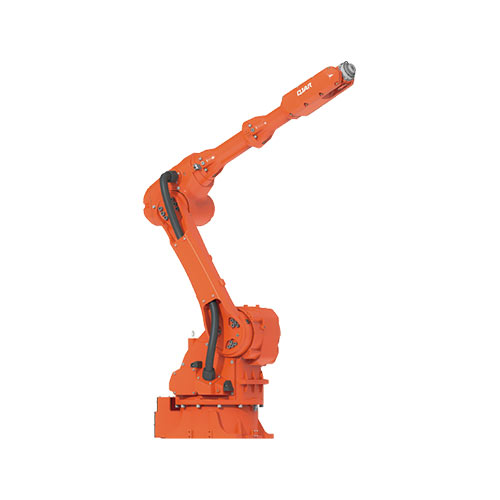
Automated operation: Smart warehouses use automated equipment, such as unmanned trucks, robots, etc., to realize automatic storage, picking and handling of goods, reducing the cost and error rate of manual operations.
Real-time data monitoring: With the help of Internet of Things technology, smart warehouses can monitor the location, temperature, humidity and other information of goods in real time, improving the accuracy and efficiency of smart warehousing management.
Artificial Intelligence Optimization: Smart warehouses use artificial intelligence technology to analyze large amounts of data, optimize smart warehousing processes and cargo distribution routes, and improve overall operational efficiency.
Flexible adaptability: The smart warehouse adopts a modular design and can be flexibly configured according to different business needs to better adapt to market changes and enterprise development


Improve efficiency and reduce costs: The automated operation and data analysis capabilities of smart warehouses can greatly improve the efficiency of smart warehousing and logistics, and reduce labor costs and operating costs.
Optimize supply chain management: Through real-time monitoring and data analysis, smart warehouses can optimize all aspects of the supply chain, reduce inventory backlogs and logistics lags, and improve the overall response speed of the supply chain.
Improve customer experience: The flexibility and high efficiency of smart warehouses make order processing faster, meet customer needs in a more timely manner, and improve customer experience.
Promote industry innovation: The emergence of smart warehouses has promoted technological innovation in the logistics industry and has also spawned a series of related industries, such as unmanned distribution, smart logistics solutions, etc.