
Partnership Development Center
Seize the Trillion-Dollar Market, co-Create a New Ecosystem for Smart Manufacturing
Global Smart Manufacturing AI Service Ecosystem Platform・City Partner Program Now Fully Launched
The Pain Points We Solve
For Industrial Automation Company
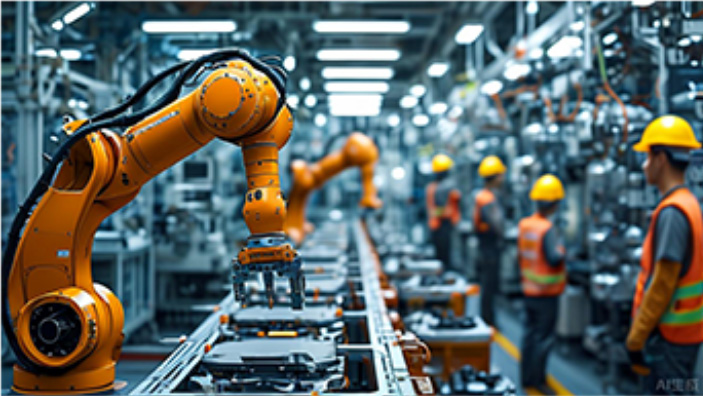
Regarding engineer staffing needs: enterprises typically demand: rapid response, low cost, and precise skill matching. However, both full-time and part-time hiring models carry significant risks: full-time roles incur higher fixed costs, while part-time engagements often compromise project quality control. Additionally, the recruitment process itself demands substantial manual effort and time investment.
Regarding equipment procurement: enterprises face the challenges of sourcing a wide variety of items at less-than-optimal prices, coupled with high communication costs. Furthermore, the process of configuring multi-device combinations for a single project is complex, involving multiple vendors. This multi-sourced integration is inherently complicated and prone to errors.
Marketing Management Gap: Automation companies, particularly system integrators within the industry, often lack expertise in marketing management. Their primary focus on technology results in a disconnect: their ideal, well-matched clients are unable to find them.
For Engineer
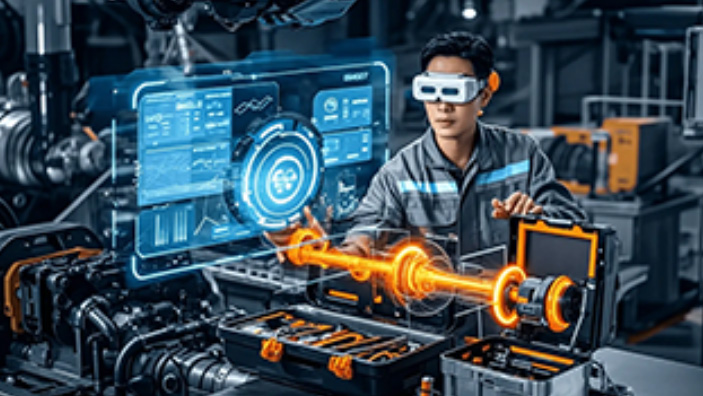
- Lack of project leads and high customer acquisition costs result in an average of 30% of work time being spent on business development.
- For individual founders/small startups, high management and operational costs make it difficult to get off the ground.
- Projects acquired through traditional networks and social connections often result in unpaid work, despite the completion of services.
- A lack of adequate capability leads to inefficient problem-solving and may even result in the implementation of incorrect solutions.
For End-User Factory
The Pain Points We Solve
Building a Localized Smart Manufacturing Service Network for a Shared-Value Ecosystem
City Partner Responsibilities
Onboarding and maintaining automation system integrators
Onboarding and maintaining end-user clients
Products & Services for City Partners to Market
1.Engineer & Technician Outsourcing
2.Equipment & Material Supply
3.Project Matching and Delivery
4.Project Lead Sales
5.Future Services & Products
City Partner Requirements
Background Requirements:
Candidates must have a sales background within the smart manufacturing industry chain, such as experience selling industrial products (e.g., industrial robots, PLCs, gearboxes). They must possess direct access to a substantial existing network of target clients in the industry.
Competency Requirements:
Possess excelelnt sales and communication skills with a proven ability to deliver results. Must embrace a collaborative partnership model with the platform and commit to achieving mutually beneficial outcomes.