
Rack Bracket Robotic Welding Fixture and Reach Validation
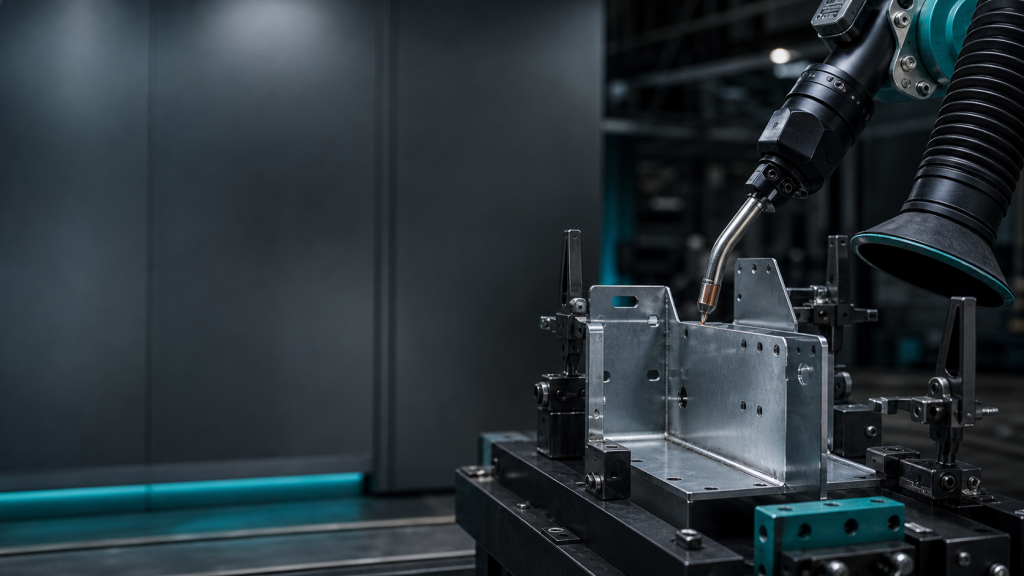
Validate rack bracket robotic welding through fixture datum, torch reach, heat sequence, distortion evidence, inspection, and repair routing.
Motor Shaft Machine Tending: Grip and Handoff
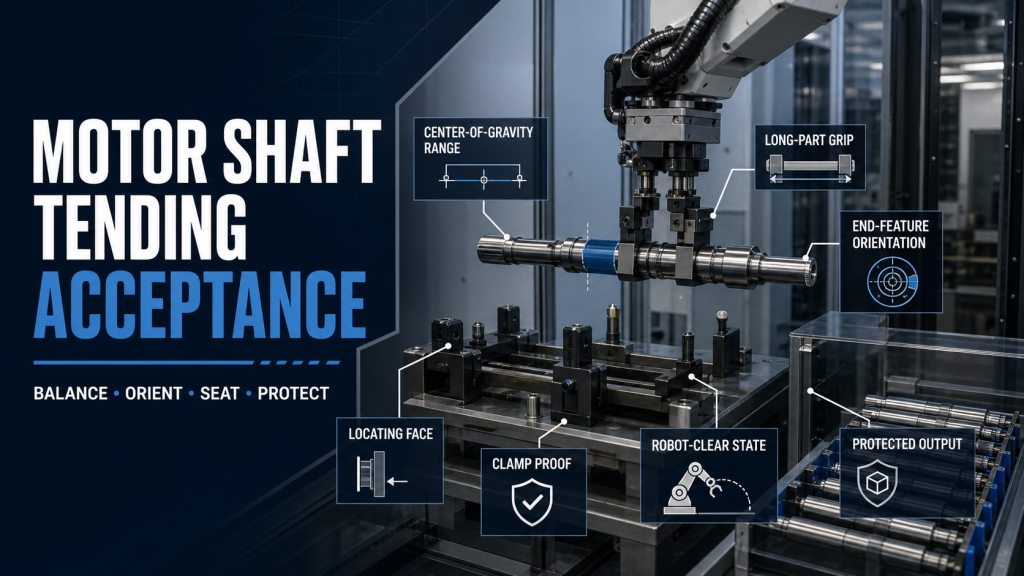
Validate motor shaft machine tending through balance range, orientation, locating-face seating, clamp proof, clearance, and protected output.
Ceramic Plate Glazing Automation: What to Validate
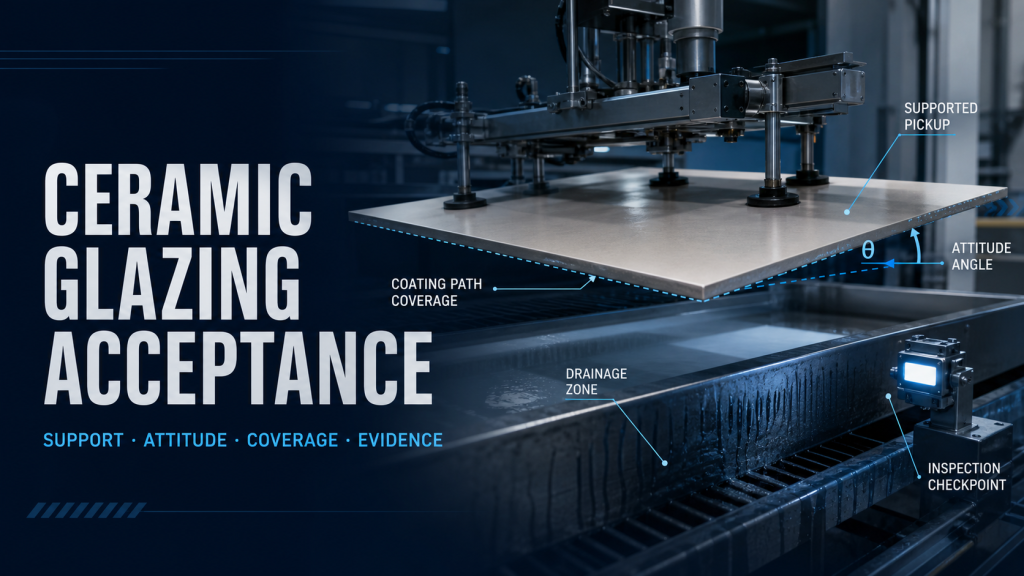
Validate ceramic plate glazing automation through support, plate attitude, path coverage, drainage, inspection, and abnormal-part routing.
Injection Molding Unloading: Mold-Safe Handoffs
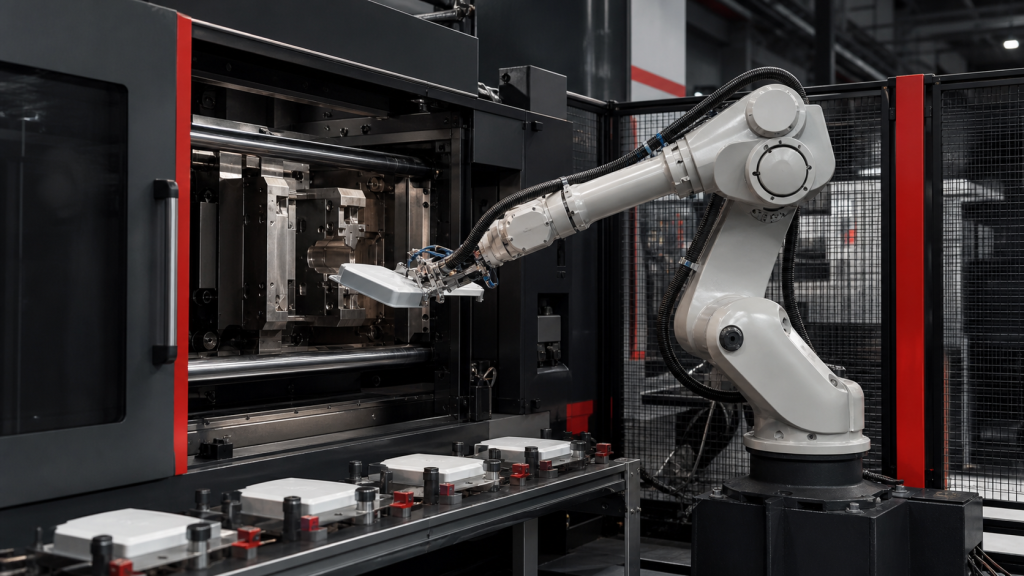
Design injection molding unloading around mold and ejector states, part grip, cavity-clear proof, downstream flow, faults, and safe restart.
Multi-Spindle Tightening: Torque Traceability
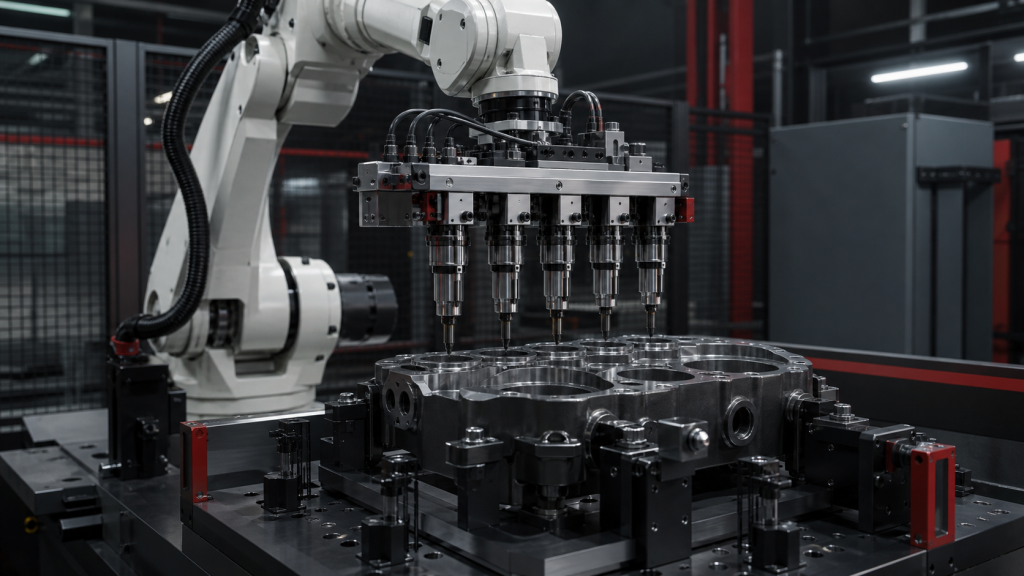
Release multi-spindle tightening with per-channel entry proof, reaction control, approved joint rules, traceability, and fault recovery.
Phone Case Polishing: Fixture and Finish Control
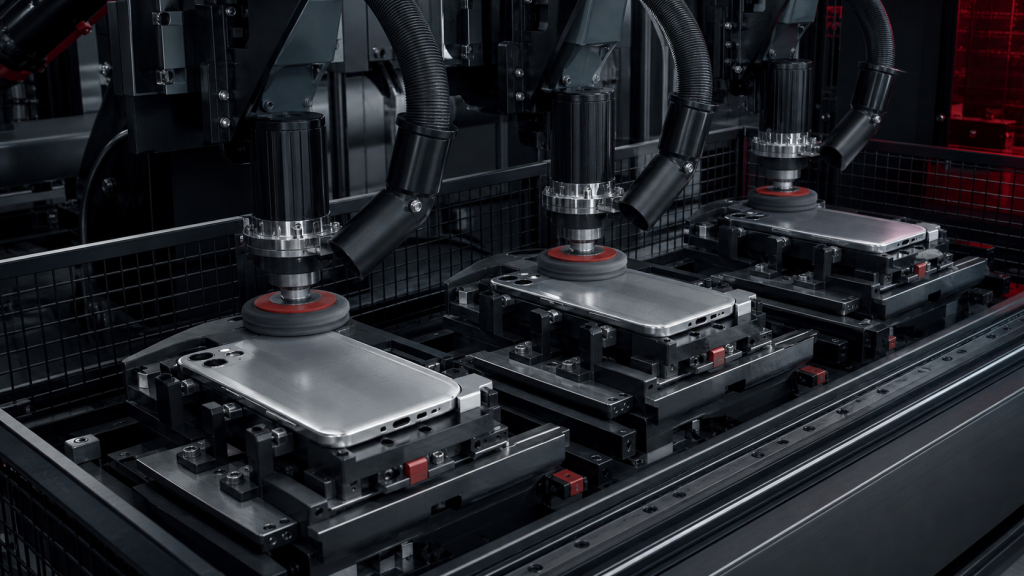
Control phone case polishing with cosmetic-zone rules, nest checks, abrasive history, cleaning, inspection, batch holds, and acceptance records.
Robot Lathe Tending: Chuck Handoff and Interlocks
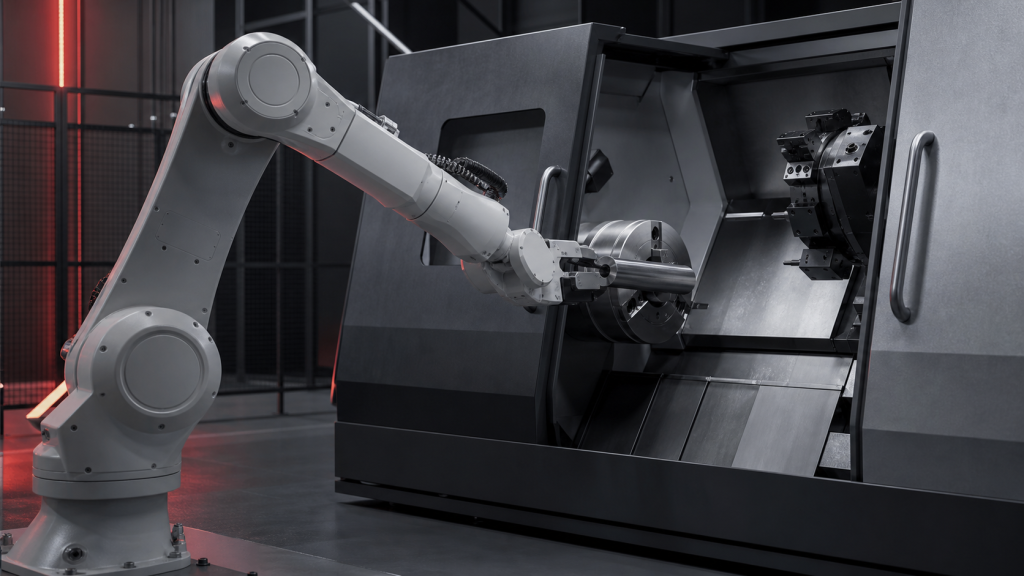
Engineer robot lathe tending with proven door, spindle, chuck, seating, robot-clear, chip-control, recovery, and cycle states.
Robot Grinding Cell: Contact, Coverage, and Wear
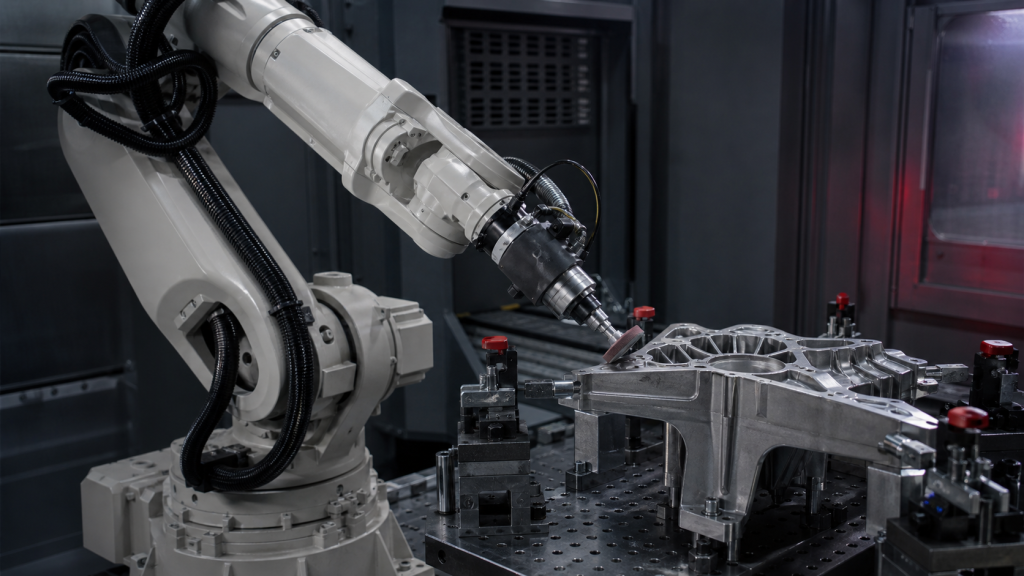
Validate a robot grinding cell through surface zones, fixture stiffness, contact control, abrasive wear, extraction, inspection, and recovery.
Robotic Electronics Board Handling: Support and Place
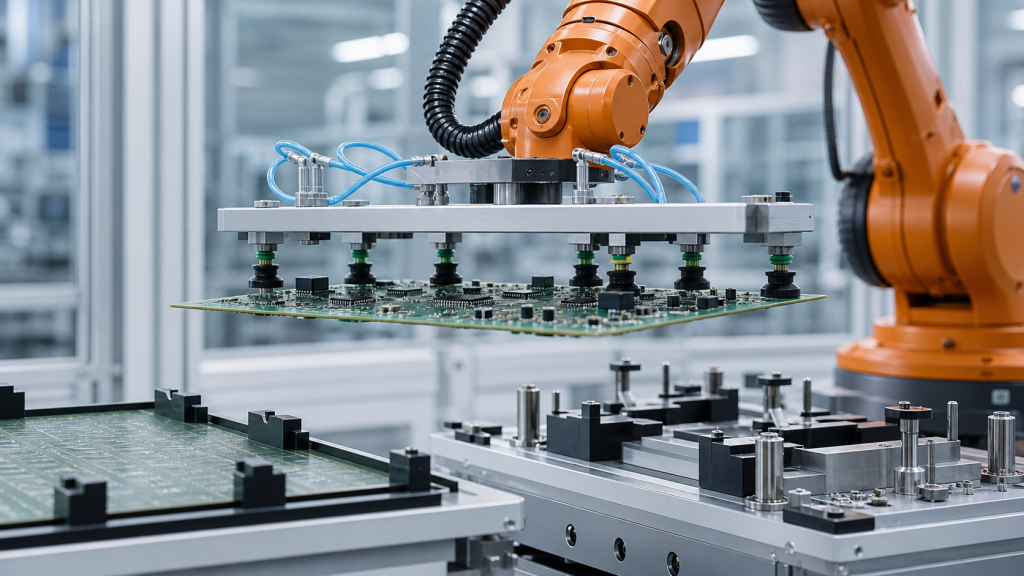
Plan robotic electronics board handling around support geometry, grip zones, load paths, motion, placement datums, release evidence, and fault recovery.
Four-Station Robotic Grinding: Balance the Line
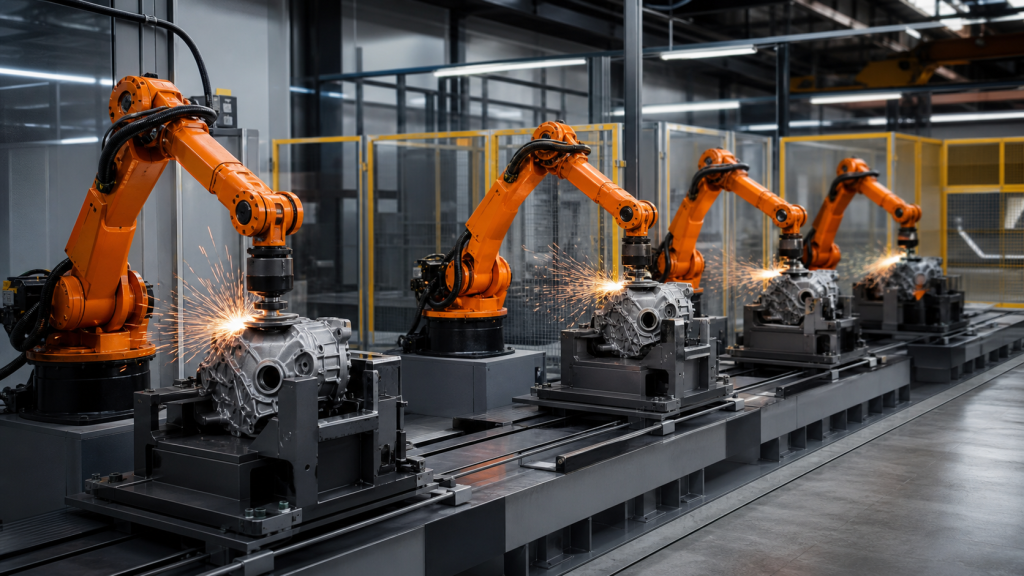
Evaluate four-station robotic grinding through routing, datum control, tool wear, buffers, inspection, fault isolation, and changeover evidence.
Lighting Assembly Automation: Fixture, Handoff, Recovery
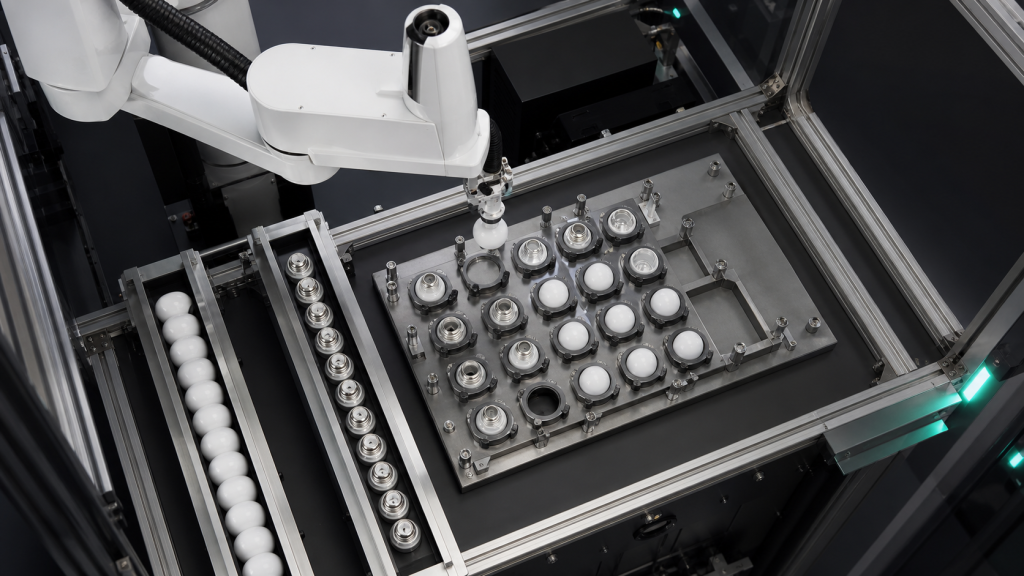
Plan lighting assembly automation around fixture datums, part grip, tray handoffs, inspection states, exception recovery, and real-component trials.
3D Vision Machine Tending: Grasp and Handoff Guide
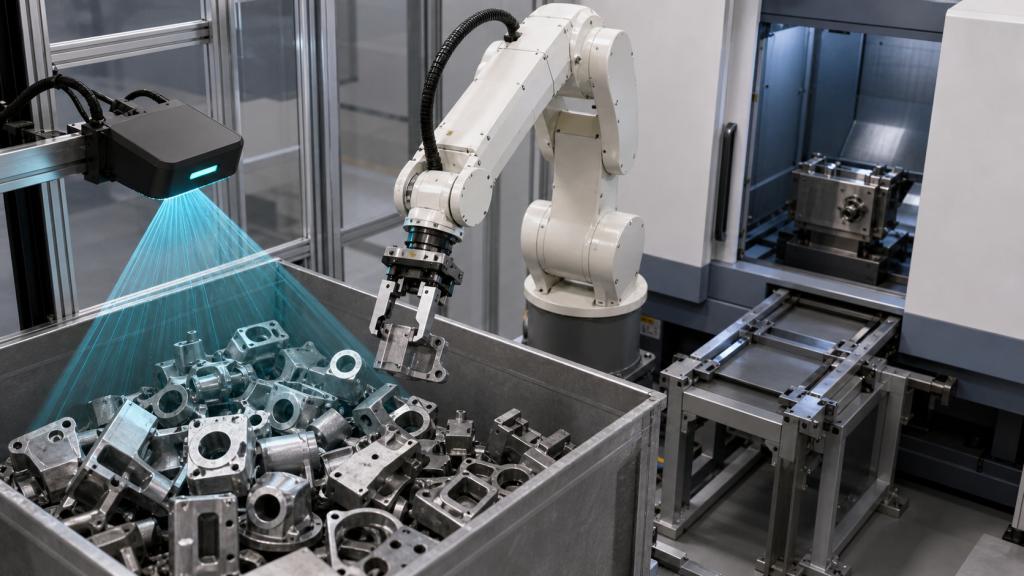
Plan 3D vision machine tending around part presentation, coordinate frames, grasp checks, machine permissions, and controlled exception paths.