
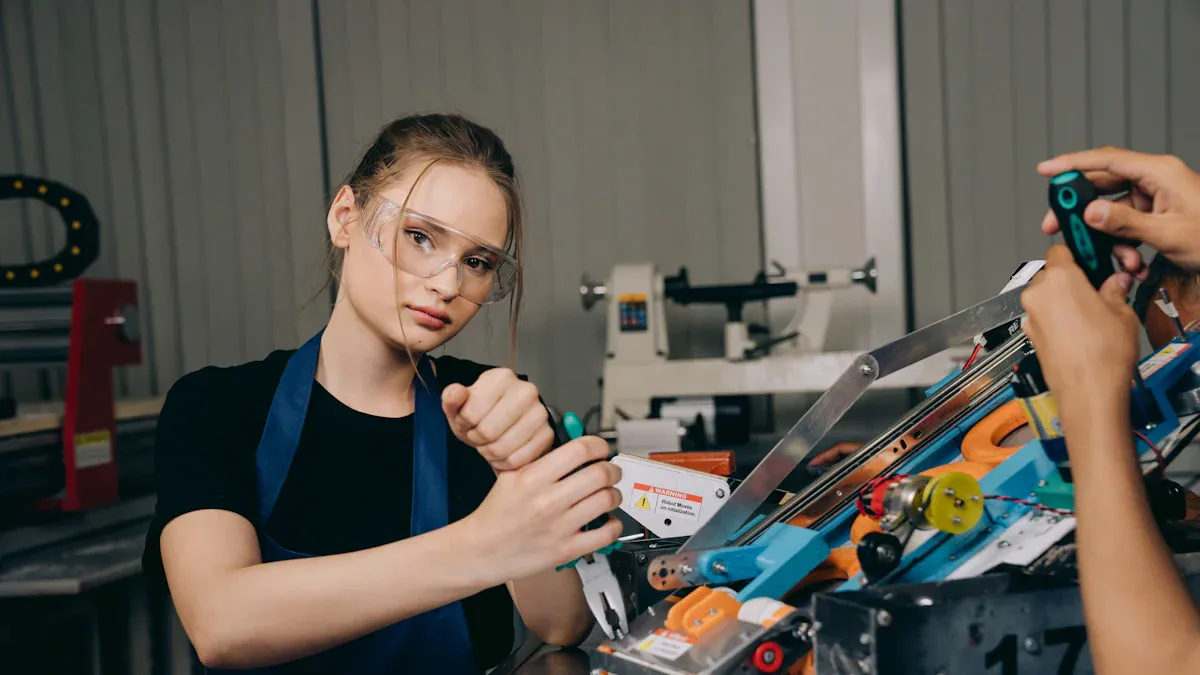
You can start your journey in robotics engineering with curiosity and a desire to learn. Many industries need people who understand robotics. The global robotics market was valued at $67.9 billion in 2023.
-
It is expected to reach $78.4 billion in 2024.
-
By 2029, experts predict it will grow to $165.2 billion.
You build skills, gain experience, and explore new paths as you grow in engineering.
Robotics Engineering Overview
What Is Robotics Engineering
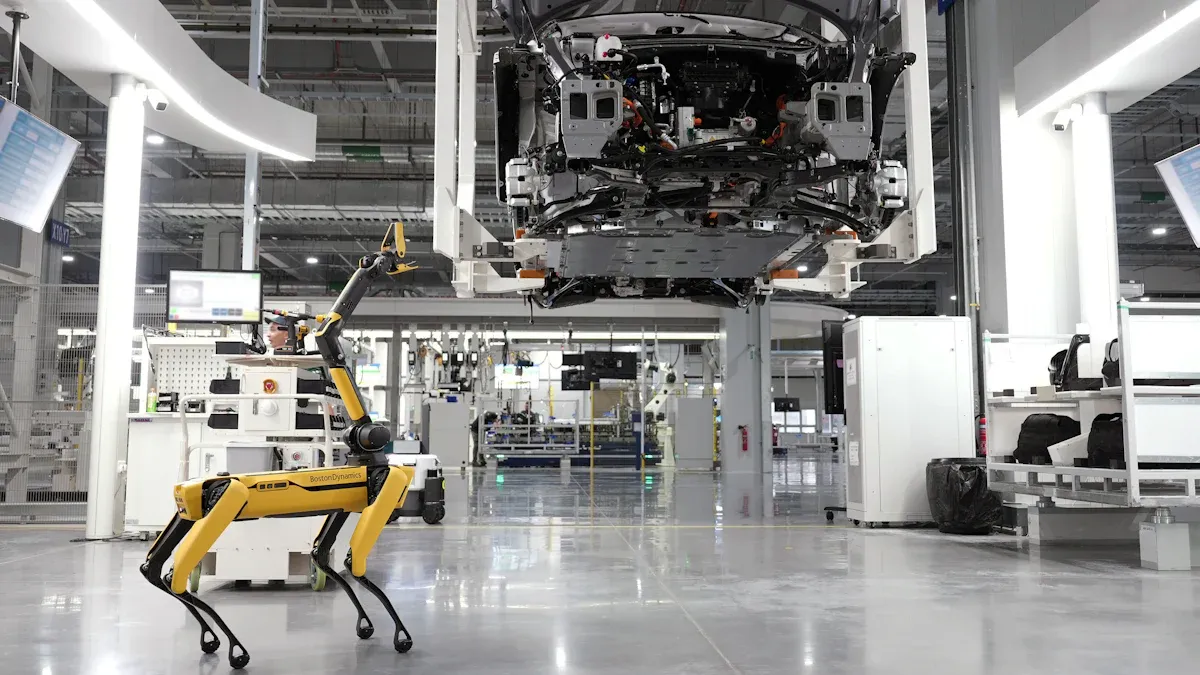
You join robotics engineering if you want to make robots better. Many top colleges offer a four-year course for this field. This course helps you get ready for jobs in robotics and automation. You learn skills from computer, mechanical, and electrical engineering. At WPI, robotics means using smart ideas in real machines. You study both fake and real intelligence to build good robots. Purdue teaches you how to program, move robots, and use automation. You get ready to design and use advanced robots in real life.
Multidisciplinary Field
Robotics engineering uses many types of knowledge. You use mechanical engineering to build the robot’s body and help it move. Electrical engineering helps you give power and control to robots. Software engineering lets you write code and make robots think. Artificial intelligence helps robots learn and act alone. The table below shows how each skill helps robotics engineering:
|
Discipline |
Role in Robotics Engineering |
|---|---|
|
Mechanical Engineering |
Builds the robot’s body and helps it move. Designs the structure and how it works. |
|
Electrical Engineering |
Gives robots power, helps them talk, and controls them. |
|
Software Engineering |
Writes code and controls how robots work and make choices. |
|
Artificial Intelligence |
Makes robots smarter and helps them do things on their own. |
You also see teams with computer science, biology, and brain science. These teams use their skills to fix problems and make new robots and tools.
Roles and Tasks
There are many jobs in robotics engineering. You might help design and build robots. You could write software to control robots or test new ideas. You may manage projects and work with other engineers. Some people do research and invent new things. Others set up and fix robots in factories or labs. Here are some common jobs and tasks:
|
Role/Task |
Description |
|---|---|
|
Design and Development |
Work with others to make robot parts and systems. |
|
Programming and Control |
Write code for robots and help them move and use sensors. |
|
Testing and Validation |
Build and test robots to make sure they work well. |
|
Collaboration and Project Management |
Manage time and resources and work with different engineers. |
|
Research and Innovation |
Learn about new robotics ideas and help with research. |
|
Implementation and Deployment |
Set up robots in real places and make sure they work. |
|
Compliance and Standards |
Follow rules and keep records of designs and tests. |
You can start as a robotics engineer, automation engineer, or robotics technician. You might also be a research helper or control systems engineer. Each job helps you learn more about robotics and engineering.
Skills for Robotics Engineering
Technical Skills
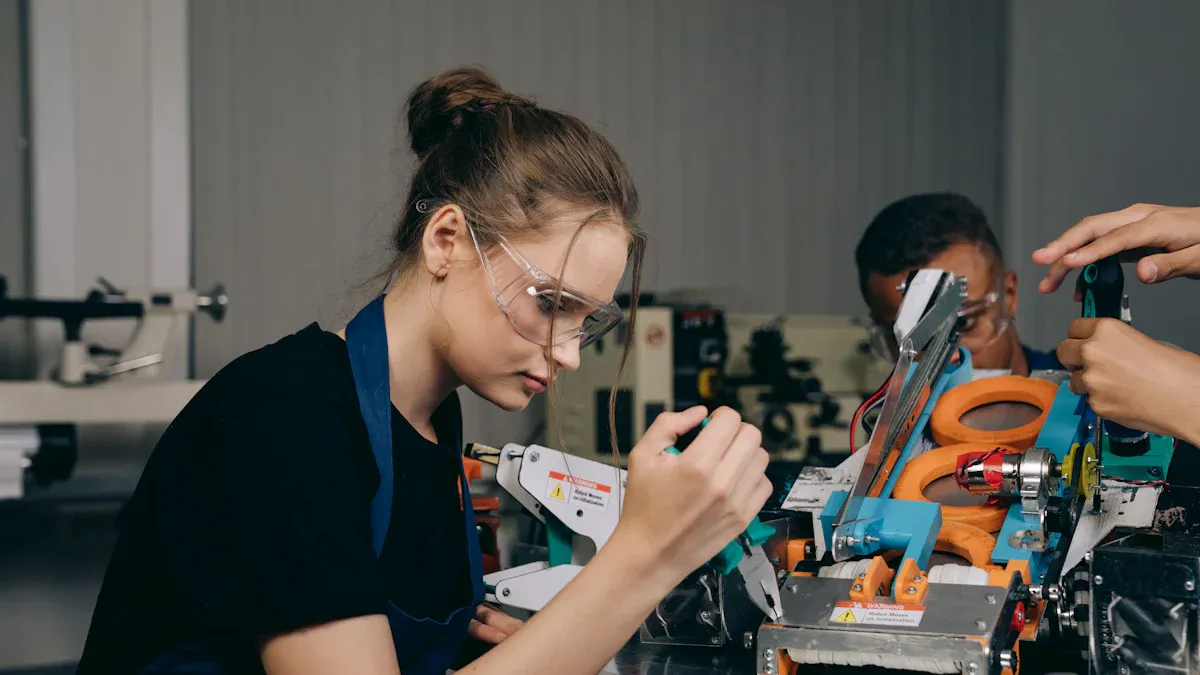
You need good technical skills to do well in robotics engineering. You use math and science almost every day. You write code to make robots work and fix problems. You work with other people on a team. You learn new things fast. You also think of new ways to design robots. Here are some skills you will use a lot:
-
Math and science
-
Programming
-
Teamwork
-
Solving hard problems
-
Creative thinking
-
Learning new things
You use these skills to build and test robots. You learn how to use sensors and motors. You use computer programs and engineering tools. These help you make sure robots work right.
Problem-Solving
You face many problems in robotics. You need to find smart answers when robots do not work. You talk about the problems you see and how you fix them. You use the STAR method to show your skills. For example, you might share a time when a robot did not pass a test. You changed the design to fix the problem. Telling these stories helps others see your problem-solving skills.
-
Talk about problems and answers
-
Give examples of soft skills
-
Use the STAR method to show your work
You solve problems every day in engineering. You test ideas and learn from mistakes. You make your robots better.
Become a Robotics Engineer
Education Pathways
You can become a robotics engineer by following some steps. Most people start with a good education. You need to meet certain school requirements for this job. Here are the main things you should do:
-
Get a related degree. Most students pick a bachelor’s degree in mechanical, electrical, software, or computer science engineering. Some colleges have a special robotics engineering degree.
-
Think about getting a higher degree. Many jobs want people with a master’s degree, like a Master of Science in Robotics. This can help you get better jobs.
-
Focus on hands-on learning. Find programs with internships or co-op experiences. These give you real-world skills.
Bachelor’s Degree
A bachelor’s degree is the most common way to start in robotics engineering. You can pick from different majors that help you get ready for this career. Each major teaches you different skills for robotics engineering. Here are some popular choices:
-
Mechanical Engineering
-
Electrical Engineering
-
Computer Science
-
Mechatronics
-
Aerospace Engineering
-
Industrial Engineering
-
Biomedical Engineering
-
Robotics and Automation Engineering
Most programs have classes in math, physics, programming, and electronics. You also learn about sensors, motors, and control systems. Some colleges let you work on real robotics projects in class.
|
Major |
What You Learn for Robotics Engineering |
|---|---|
|
Mechanical Engineering |
Robot design, movement, and structure |
|
Electrical Engineering |
Power systems, circuits, and sensors |
|
Computer Science |
Programming, algorithms, and artificial intelligence |
|
Mechatronics |
Combining mechanics, electronics, and computing |
|
Robotics and Automation |
Full robotics systems and automation processes |
Hands-On Experience
You need more than just a degree to work in robotics engineering. Hands-on learning is very important. You can join clubs, enter competitions, or work on your own projects. These activities help you build real skills and show employers what you can do.
-
Join a robotics club at school. You can work on group projects and learn from others.
-
Enter robotics competitions. These events let you solve real problems and test your ideas.
-
Find internships or co-op programs. You get to work with real engineers and learn on the job.
-
Build your own robots at home. Share your projects online or in class.
-
Volunteer for robotics events or workshops. You meet new people and learn new skills.
Many students get their first job by showing what they have built. You can make a portfolio with pictures and videos of your projects. Employers like to see what you can do, not just what you learned in class.
Networking
Networking helps you become a robotics engineer. You meet people who can give advice, share job leads, or help you learn new things. Here are some ways to build your network:
-
Join online forums and talk with other robotics fans.
-
Go to conferences and workshops. You can meet experts and other students.
-
Use social media like LinkedIn or Twitter to connect with professionals.
-
Volunteer at robotics events. You meet people who share your interests.
-
Work on group projects online. You learn teamwork and make new friends.
-
Share your projects on blogs or video channels. People may notice your work and reach out.
You can become a robotics engineer if you follow these steps. Start with the right degree, get hands-on training, and build your network. Each step brings you closer to a career in robotics engineering.
Advanced Education
Graduate Degrees
Getting a graduate degree can help your robotics career. Many colleges have master’s programs for robotics. These programs teach you more about design, programming, and automation. You learn how to fix hard problems and work on real projects. You also use research labs and work with companies.
You find more jobs in healthcare, entertainment, farming, and factories. You also get better pay and more job safety. Good connections with companies help you try different jobs. You can work in research, making products, or leading teams. Graduate degrees help you get noticed in engineering jobs.
-
You get hands-on practice with new technology.
-
You meet experts and make connections.
-
You can lead engineering teams.
Certifications
Certifications show you care about robotics engineering. You prove your skills and knowledge to bosses. Many companies want certified workers for special jobs. You can get certifications in automation, design, and programming. These certificates help you keep up with new technology.
Certifications can show you know special things and care about your job, especially if you are new or have little experience. Bosses like people with hands-on skills, but a certificate can help show you have many skills.
|
Certification Name |
Provider |
Best For |
Description |
|---|---|---|---|
|
Robotics Engineer Certifications |
Various |
Engineers developing intelligent robotic systems |
Hands-on experience with AI algorithms in robotics. |
|
Certified SolidWorks Professional |
Dassault Systèmes |
Mechanical design and prototyping |
Shows strong skills in SolidWorks for making robot parts. |
|
Certified Automation Professional |
International Society of Automation |
Process automation and control systems |
Proves you know automation, which is important in robotics. |
|
ROS Certification |
The Construct/ROS Industrial Consortium |
Research and industrial applications |
Shows you know how to use the Robot Operating System (ROS). |
-
More Career Choices: Certifications help you stand out when looking for jobs.
-
Respect and Trust: They show you are skilled and serious.
-
Latest Skills: Certification programs teach you about new robotics technology.
-
Better Pay: Certified engineers often earn more money.
-
Special Jobs: Certifications help you get special jobs and work on cool projects.
You can pick the certification that fits your goals in engineering. You show bosses you have the skills they want.
Is Robotics Engineering Right for You
Traits for Success
You need certain traits to do well in robotics engineering. Many successful robotics engineers share these qualities. You use systems thinking to see how parts work together. You develop a programming mindset to solve problems with code. You learn new things quickly and use math every day. You make good decisions and communicate well with your team. You design new technology and solve complex problems. You keep trying even when things get tough.
Here are the top traits you find in robotics engineers:
-
Systems Thinking
-
The Programming Mindset
-
Active Learning
-
Mathematics
-
Judgment and Decision Making
-
Good Communication
-
Technology Design
-
Complex Problem Solving
-
Persistence
You use these traits to solve real problems. You work with others and share ideas. You keep learning and improving your skills.
Self-Assessment
You can check if robotics engineering fits you by using self-assessment tools. These tools help you see your strengths and areas to grow. You answer questions about your interests and skills. You get a profile that shows if robotics matches your goals.
-
Gyfted’s robotics engineer quiz helps you learn about your skills, interests, and preferences. The quiz uses psychometric methods to give you insights and a full profile for career planning.
-
The Robotics Engineer Assessment Test checks your knowledge in robotics basics, programming, and control systems. You can take this test if you are a beginner or an expert. The test takes about 30 minutes.
You use these tools to make smart choices about your future. You find out what you like and what you need to work on. You decide if robotics engineering is the right path for you.
Getting Started
Online Courses
You can learn robotics by taking online classes. These classes teach you the basics. You build your skills one step at a time. Many top colleges have free or cheap courses. You learn about robot modeling, programming, and artificial intelligence. Here are some good beginner courses:
-
Introduction to Robotics (CS223A) from Stanford University teaches math models and how robots work.
-
Robotics Foundations I – Robot Modeling from the University of Naples shows you the basics of robot modeling.
-
Michigan Robotics Online Courses include ROB 102: Introduction to AI and Programming, ROB 311: How to Build Robots and Make Them Move, and ROB 502: Programming for Robotics.
Clubs and Competitions
You can join robotics clubs and enter contests for hands-on practice. You work with other students and solve real problems. You build robots together and learn teamwork. Many clubs welcome beginners and help you learn new skills. Here are some popular choices:
-
BEST Robotics Competition helps middle and high school students solve industry problems.
-
World Robot Olympiad’s Robomission uses LEGO to solve real challenges.
-
NASA’s Botball Robotics helps you get better at coding.
-
First Robotics has events and scholarships for high school students.
-
MIT’s Zero Robotics lets you program robots for space missions.
-
MATE ROV Competition is about building underwater robots.
-
Robofest supports STEAM learning with robotics.
-
Conrad Challenge inspires you to make robots that fix world problems.
Conferences
Going to robotics conferences helps you meet experts and other students. You see new technology and listen to talks. You can join workshops and learn new things. Many conferences welcome students and beginners. The table below lists some big events:
|
Conference Name |
Description |
Target Audience |
|---|---|---|
|
IEEE ICRA |
The biggest robotics research event, covering AI and automation. |
Engineers, AI researchers, industry pros, students |
|
Robotics: Science and Systems (RSS) |
Shows new research in robotics. |
Researchers, graduate students, industry pros |
|
Robotics Summit & Expo |
Shares the latest robotics technology. |
Developers, business leaders, students, academics |
|
AI Robot Conference |
Focuses on AI-powered robots and machine learning. |
AI researchers, industry pros, students |
You can start learning robotics engineering by taking simple steps.
-
First, get a bachelor’s degree in robotics or another STEM subject.
-
Next, learn programming and how to use robotics frameworks.
-
Join clubs, do projects, and get internships for real experience.
-
Get certifications to show you know your stuff.
Keep learning new things to get better and stay ahead. This helps you grow with new technology. You can start today by signing up for a class or joining a club. Anyone who is curious and wants to learn can do well in robotics and engineering.