
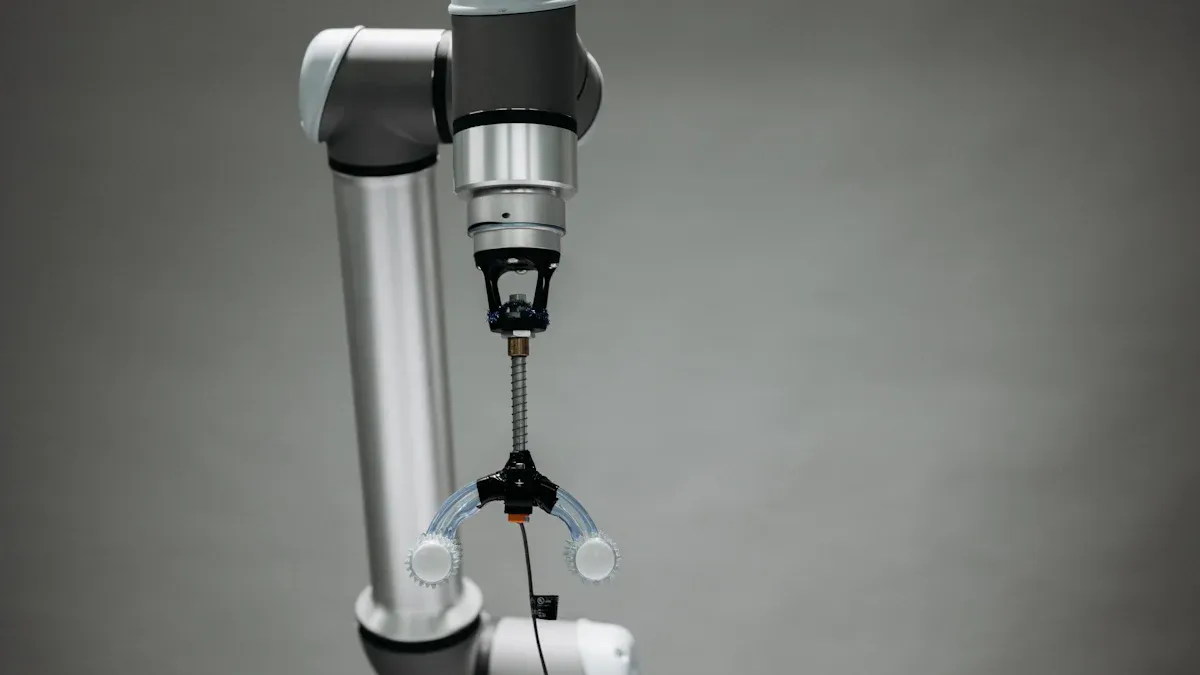
You see collaborative robots are changing how factories work. These robots help you fix big problems in manufacturing today. Many companies have trouble finding enough workers, with many jobs open. Supply chain problems make it hard to change fast. Collaborative robots give you flexible automation, so you can work with different products and stay safe. Collaborative robots help every part of your production line. They make automation simple, safe, and easy for your team.
-
Labor shortages hurt most manufacturers.
-
Supply chain problems need quick changes.
-
Flexible automation helps you compete.
Collaborative Robots vs. Traditional Robots
Design Differences
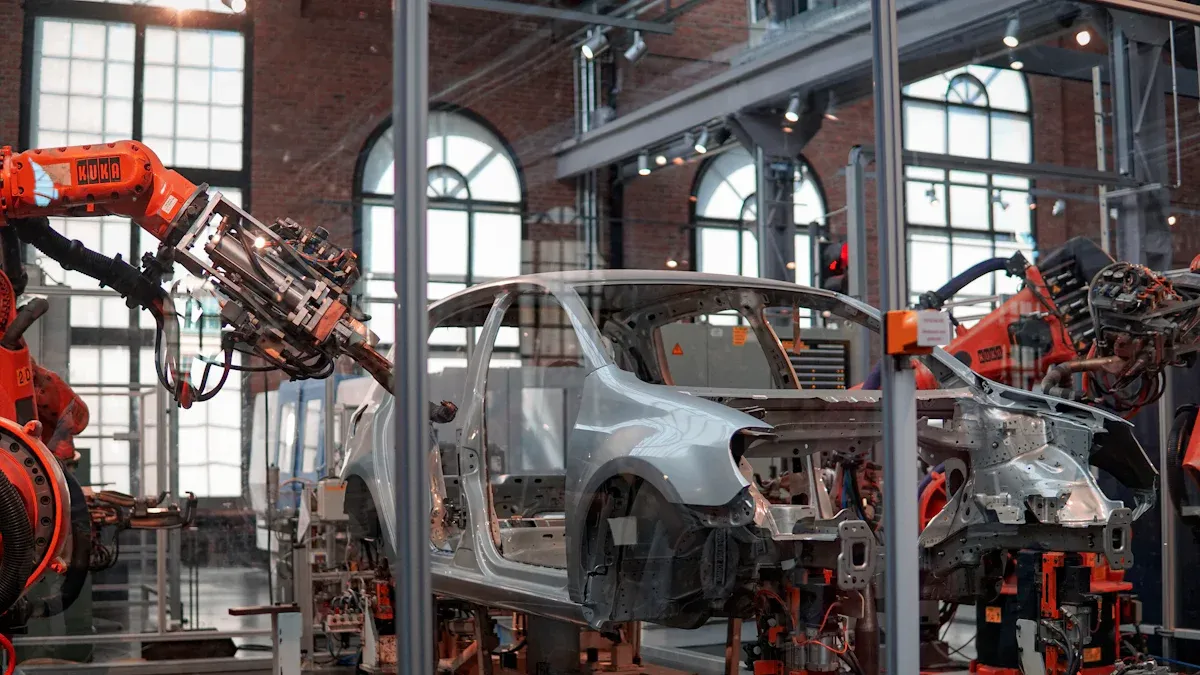
Cobots look different from traditional robots. Cobots are smaller and lighter. They do not need much space in your factory. You do not have to build big fences around them. This helps you put cobots in small or crowded areas. Cobots cost less and are easier to set up than traditional robots.
-
Cobots can work right next to people.
-
They have sensors that notice people and things.
-
You do not need to keep cobots away from your team.
Here is a table that shows some technologies and materials that help cobots:
|
Technology/Material |
Description |
|---|---|
|
Advanced Sensor Fusion |
Uses LiDAR, ultrasonic, and pressure sensors to map the area. |
|
Artificial Intelligence (AI) |
Helps cobots learn, work better, and predict problems. |
|
Advanced Grippers |
Uses machine learning to hold soft parts and change for shapes. |
Cobots use these tools to switch jobs fast. You can move them to new spots when you need to. This makes it easy to keep up with what your factory needs and helps your automation plans.
Safety Features
Safety is a big reason to pick cobots instead of traditional robots. Cobots have many safety features to protect people. They have smooth edges, light frames, and wires you cannot see. Cobots move slowly and stop if someone is close. Traditional robots are heavier, faster, and have sharp edges. They need cages and locks to keep people safe.
Here is a table that compares cobots and traditional robots for safety:
|
Safety Feature |
Collaborative Robots (Cobots) |
Traditional Industrial Robots |
|---|---|---|
|
Structure |
Light |
Heavy |
|
Design |
Compact |
Bulky |
|
Edges |
Rounded |
Sharp |
|
Wiring |
Hidden |
Exposed |
|
Tooling |
Different |
Standard |
|
Functionality |
Varies |
Fixed |
|
Collision Detection |
Yes |
Limited |
|
Speed |
Slower |
Faster |
|
Programming |
Easier |
More Complex |
Cobots follow strict safety rules like ISO 10218 and ISO/TS 15066. These rules help make sure cobots are safe near people. You still need to check each job for risks, but cobots make it easier to keep everyone safe. You do not need to build full safety fences, so you save time and money.
New rules let cobots work without fences. Cobots have power and force limits, safety stops, and speed checks. These features help cobots change what they do when people are close. This means you can use cobots in more places in your factory.
User Experience
Cobots are much easier to use than traditional robots. Cobots have simple controls. You can program them by dragging icons or moving the arm by hand. You do not need to know coding or special computer skills. Most people can teach a cobot a new job in minutes.
-
Cobots are made for people with little or no programming skill.
-
Your team can use cobots without special training.
-
You can give cobots new jobs fast, which helps you stay ready for changes.
Traditional robots need experts and special lessons. Programming them takes longer and costs more. Cobots make it easier for you to start using automation. You can begin small and add more cobots as you grow. Cobots help your team by doing boring jobs, so people can do harder work.
Here is a table that shows the training needed:
|
Type of Robot |
Training/Skill Level Required |
|---|---|
|
Collaborative Robots |
Can be programmed by operators with limited experience |
|
Traditional Robots |
Requires complex programming and specific knowledge |
Cobots help small and medium factories use automation. You can make your workplace safer, spend less, and compete with bigger companies. Cobots give you the flexibility and easy use you need for modern manufacturing.
Cobots in Manufacturing
Addressing Labor Shortages
It is hard to find enough workers for factory jobs. Many factories have trouble hiring skilled people. In the United States, almost half of durable goods jobs are empty. This makes wages go up and makes it tough to keep things running well. Cobots help by doing jobs that are boring or hard.
Cobots do more than fill open spots. They help with skill gaps too. Many young people do not want to work in factories. Most face problems getting into this field, and many do not pick this career. Cobots do jobs that need technical skills and problem-solving. You can use cobots to help your team and keep things moving.
Here is a table that shows how big the labor shortage is and how cobots help:
|
Evidence Type |
Description |
|---|---|
|
Labor Shortage |
45% of durable goods manufacturing positions in the U.S. remain unfilled. |
|
Cobot Market Growth |
The global cobot market is projected to grow from $760 million in 2022 to $22.6 billion by 2032. |
|
Wage Increase |
U.S. wages rose by 5.3% in 2022, increasing the need for automation. |
When you add cobots to your factory, you see results. Big companies like Nissan and BMW use cobots for assembly and inspection. Nissan made assembly faster by 10%. DHL moved more packages and needed fewer temp workers. These changes show how cobots help you get more done, even if you cannot hire more people.
Flexibility and Cost
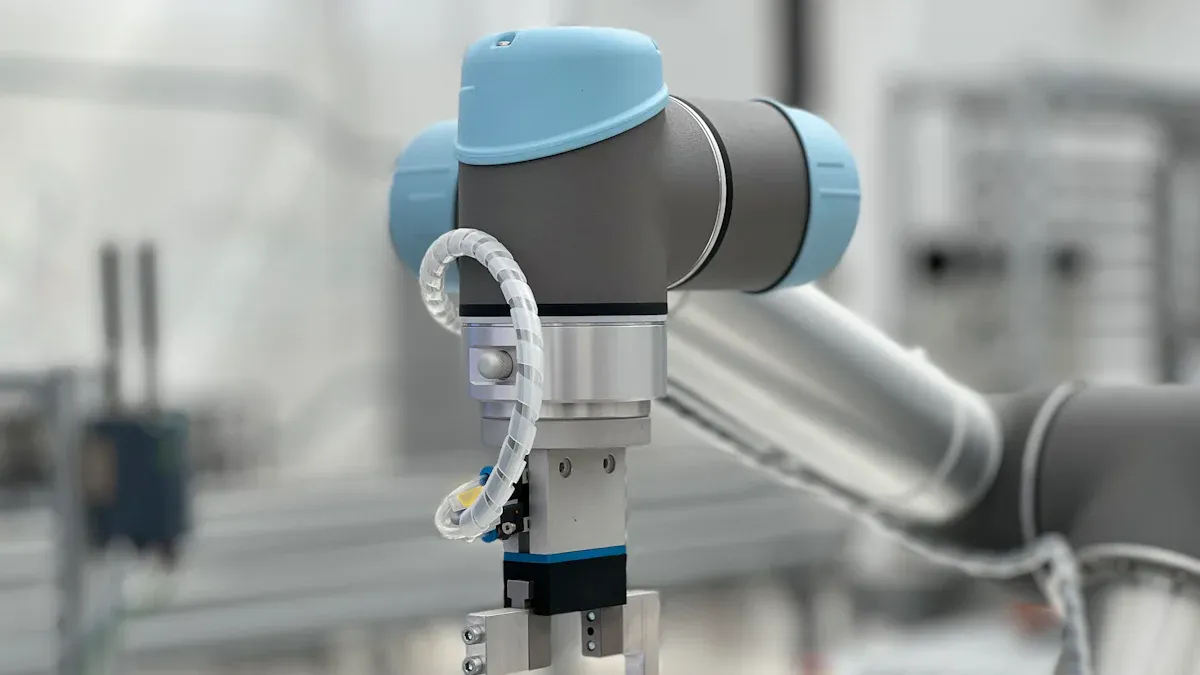
Cobots are more flexible than traditional robots. You can move cobots to different places in your factory. They fit in small spaces and do not need fences. This helps you use your space better. Cobots work next to people, so you do not waste room.
You can teach cobots by showing them what to do. Just move the arm, and the cobot learns quickly. You do not need an expert to change its job. This means you can switch jobs fast. If things change, you can update your line without waiting.
Here is a table that compares cobots and traditional robots for flexibility:
|
Feature |
Collaborative Robots |
Traditional Robots |
|---|---|---|
|
Task Shifting |
Quick and easy |
Slow and complex |
|
Reprogramming |
Easy, anyone can do |
Needs specialists |
|
Adaptability |
High |
Low |
|
Environment |
Variable |
Stationary |
Cobots also help you save money. One cobot can save you a lot each year by replacing a worker. Many factories save 20-30% after adding cobots. You spend less on workers and get more done. Cobots help you avoid mistakes and stop downtime.
You see your money back by saving costs and making more products. For example, one plastics company got their money back in two months after using cobots. You see these savings fast, which helps your business grow.
Industrial Applications of Cobots
You can use cobots for many jobs in your factory. The most common industrial applications of cobots are pick and place, assembly, machine tending, welding, and palletizing. These jobs help your line run faster and safer.
-
Pick and place: Cobots move materials, especially in electronics.
-
Assembly: Cobots help build things and keep workers safe.
-
Machine tending: Cobots load and unload machines like CNC.
-
Welding: Cobots make steady welds and cut down on waste.
-
Palletizing: Cobots stack and move goods, keeping your team safe.
Palletizing is a big use for cobots. You can set up a cobot for palletizing in a small space. This saves room and helps workers avoid heavy lifting. Many factories use cobots for palletizing to keep up with shipping.
Here are some real examples of how cobots are used:
|
Company |
Application Type |
Impact Description |
|---|---|---|
|
Raymath |
Welding, Machine Tending |
Production up by 200% in welding, 600% in machine tending, ROI in less than 12 months. |
|
Fagerhult Belysning |
Collaborative Assembly |
Shows how cobots help with assembly in lighting products. |
|
Fischer Gears |
CNC Feeding |
Automated 70% of CNC feeding with cobots. |
|
LITMAT |
Magnet Assembly |
Increased output to 180 caps per hour. |
You get more work done and better quality with cobots. For example, one plastics shop made three to four times more parts per hour after adding a cobot. A metal shop used a cobot for welding and got better welds. Early users say cobots boost productivity by 20% to 200%, with payback in less than a year.
Palletizing with cobots helps you meet demand and keeps workers safe from heavy lifting. You can use cobots for palletizing in small spaces, which big robots cannot do. This makes cobots a smart pick for modern factories.
Cobots make it easy to change your line, save money, and keep people safe. You can use cobots for many industrial applications of cobots, from assembly to palletizing. This flexibility helps you compete and meet new customer needs.
You see collaborative robots make your factory safer, more flexible, and easier to run. Modern cobots use AI and smart sensors to handle tough jobs and keep workers safe. Experts suggest you start with pilot projects and check your team’s skills, space, and goals. Cobots help you stay ready for the future.