
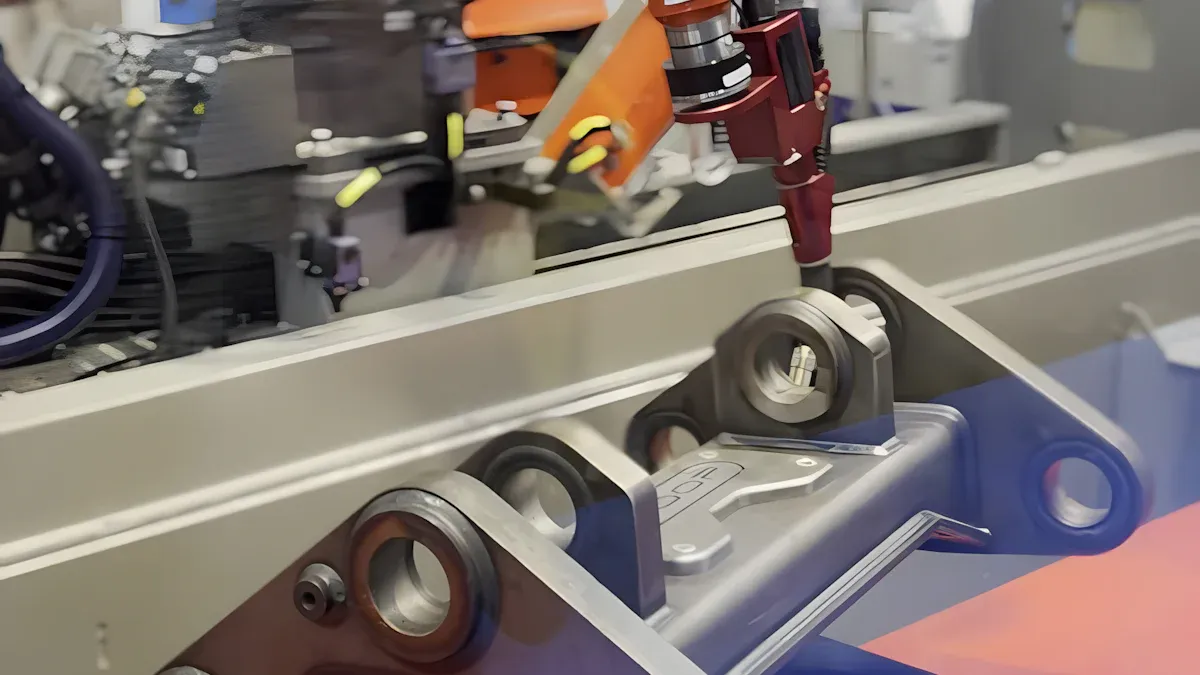
You want your welding work to be safe and fast. A good layout helps keep workers safe. It also helps people work better. Welds can be better too. Factories around the world use many robots. Over four million robots are used. Half of these robots do welding. Robotic welding cells have changed how things are made. They help make more products. They also help make fewer mistakes. If you plan your workspace well, it is safer. It also helps people work better.
Best Practices
Key Principles
You can set up your welding area for success by following a few key rules. Experts recommend these steps to help you get the best results:
-
Clamp like your weld path depends on it. Loose clamps can cause the torch to move, which leads to poor welds.
-
Expect heat and design around it. Metal moves when it gets hot. Use floating clamps or springs to handle this movement.
-
Don’t box in your torch. Your robot arm needs space to reach every joint. Good clearance means better welds.
-
Modular setups win in the long run. Swappable plates and reconfigurable clamps help you handle many different parts without starting over each time.
-
Sequence comes first. Your fixture should support the welding order. If not, your robot might get stuck halfway.
Many shops face challenges like keeping skilled workers, handling lots of different parts, and making sure robots can adapt. You can solve these problems by using simple programming tools and giving your team good training. Workshops and seminars can help your operators learn faster and work better.
Quick Improvements
You can boost your welding cell’s efficiency with a few simple changes. The table below shows some quick upgrades you can make:
|
Improvement Type |
Description |
|---|---|
|
Cleaning Stations |
Add cleaning stations to keep nozzles clean and ensure every arc starts well. |
|
Optimizing Cable Lengths |
Use the right cable lengths to prevent wear and keep the robotic arm moving smoothly. |
|
Electronic Gas Management Systems |
Use electronic regulators to control gas flow and reduce downtime during welding. |
You can make your robotic welding cells safer and more productive by following these best practices.
Robotic Welding Cells Overview
What Are Robotic Welding Cells
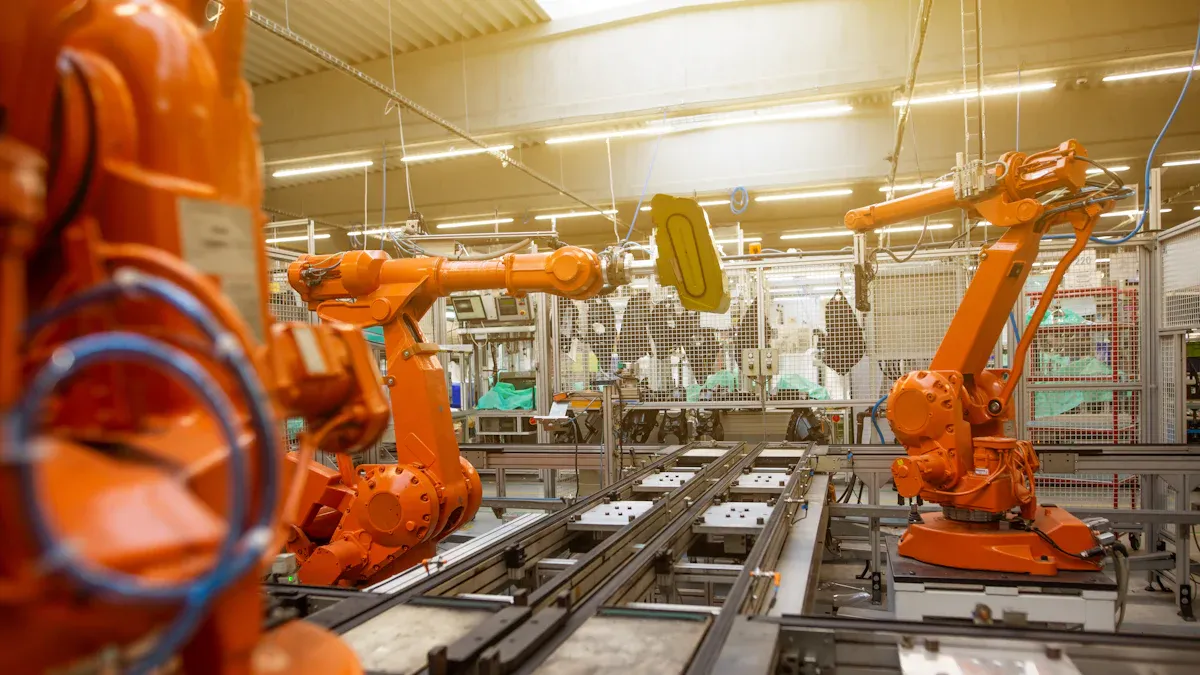
You may see robotic welding cells in many factories today. These cells use programmable robotic arms to do welding jobs with little help from people. The robot controls both the torch and the workpiece position. This makes the process different from semi-automated welding, where people still guide some steps. Robotic welding cells work as special workstations. They bring together robots, tools, and safety systems in one space. You can use one robot or several robots in a cell. Some cells have one work area, while others have more. You may also see cells with extra moving parts, like positioners or gantries.
Core Components
Every robotic welding cell has key parts that help it work well:
-
Robotic Arm: This is the main part. It moves in many directions and follows programmed paths.
-
Welding Torch: The torch matches the type of welding you need. It must reach all weld spots and last a long time.
-
Wire Feeder: This tool gives a steady supply of wire for welding. It helps make strong, clean welds.
-
Power Sources: These give the right amount of electricity for welding. Good power means better welds.
-
Fixtures & Positioners: These hold your workpieces in place. They let you weld at different angles.
-
Weld Table: This table keeps your parts steady and helps you make precise welds.
-
Safety Systems: These include fume extractors and emergency stops. They keep you safe while welding.
-
Software: This helps you program the robot and run the welding cell smoothly.
If you know these parts, you can set up and run robotic welding cells with more confidence. Each part plays a role in making sure your welding is fast, safe, and high quality.
Why Layout Matters
Safety and Protection
You need to keep safety at the top of your list when you set up a weld cell. A good layout protects you and your team from harm. You can use fume extraction systems and protective panels to lower your exposure to dangerous fumes and sparks. These tools make the air cleaner and help you feel more comfortable while you work. When you plan your welding area, you should leave clear paths for people and materials. This helps you move safely and quickly. You also need to keep learning about safety. Training programs and safety meetings help everyone remember the best ways to stay safe during welding.
Quality and Consistency
You want every weld to look the same and hold strong. The way you arrange robotic welding cells helps you do this. When you set up your welding area well, you let the robot follow the right path every time. This cuts down on mistakes and makes your welds more even. You can trust that each weld will meet your standards. You also lower the chance of problems like gaps or weak spots in your welds. Good layout lets you use automation to its full power, so you get better results with less effort.
Productivity and Cost
A smart layout saves you time and money. You can group machines that do similar jobs together. This makes your work flow faster. You do not have to move parts far, so you finish more welding in less time. You can use visual tools and clear rules to spot problems early and fix them fast. Here are some ways a good layout helps you:
-
You keep less unfinished work waiting around.
-
You use data tools to track how many parts you finish each day.
-
You follow steps that help you make the same weld every time.
-
You use software to guide your work and keep things running smoothly.
You can see that a well-planned weld cell helps you work safer, make better welds, and save money.
Designing a Weld Cell
When you start designing a weld cell, you set the stage for safe, efficient, and high-quality welding. Each step in the process matters. You need to think about space, equipment, movement, material flow, and air quality. Let’s break down each part so you can build a better welding area.
Equipment Placement
Where you put your welding equipment can make or break your weld cell. You want to avoid common mistakes that slow you down or cause errors. Here are some things to watch out for:
-
Set the Tool Center Point (TCP) correctly. If you skip this, your robot may miss the right spot, especially on curves.
-
Use collision protection on your robot. Without it, a bump can knock your welding torch out of place.
-
Check your clamps and workpieces. Defective clamps let parts move, which ruins welding accuracy.
Put your welding torch, wire feeder, and power sources where the robot can reach them easily. Keep safety equipment close by. Make sure you have enough room for fixtures and positioners. This helps you weld at different angles and keeps your work steady.
Movement Simulation
You can use movement simulation software to plan how your robot will move. This helps you spot problems before you start welding for real. Simulation lets you:
-
Test robot programs in a virtual space, so you do not stop production.
-
Check if the weld gun can reach every weld point without hitting anything.
-
Study how long each welding task takes.
-
Make sure the robot can reach all parts of the weld cell.
|
Aspect |
Description |
|---|---|
|
Offline Programming |
Build and test robot programs without stopping your real machines. |
|
Weld Gun Clearance Check |
Make sure the weld gun can reach every spot it needs to. |
|
Cycle Times |
Find out how long each welding job takes and make it faster. |
|
Robotic Reach Studies |
Check if the robot can reach every area in the cell. |
Movement simulation cuts down on downtime. You can fix problems in the computer before they happen in real life. This makes your welding more accurate and helps you avoid costly errors.
Material Flow
A good weld cell keeps parts moving smoothly. You want to supply workpieces to the robot without delays. When you set up your material flow, think about these points:
-
Robotic welding cells can run almost all the time, with uptime above 90%. This means you get more done.
-
Fast cycle times, sometimes 30% to 50% quicker, help you avoid bottlenecks.
-
Automated systems make fewer mistakes, with defect rates as low as 0.5%. This saves money on rework.
Ventilation
Welding creates fumes that can harm your health. You need good ventilation to keep the air clean and protect your team. Choose the right fume extraction system for your space:
-
Use a large outdoor dust and fume collector, like the CMAXX, for big areas.
-
Pick a compact fume extractor, such as the Shadow, for smaller indoor cells.
Follow safety standards to keep everyone safe:
|
Standard |
Description |
|---|---|
|
OSHA PEL |
Sets safe limits for welding fumes, like hexavalent chromium and zinc oxide. |
|
NESHAP Rule 6X |
Controls dangerous air pollutants from welding, such as cadmium, chromium, lead, and manganese. |
Long-term exposure to welding fumes can cause serious health problems. Hexavalent chromium can lead to lung cancer. Zinc oxide can cause metal fume fever, which feels like the flu. Always use proper ventilation and check your air quality often.
By following these steps, you can design a weld cell that is safe, efficient, and ready for high-quality welding.
Equipment Integration
Versatile Weld Heads
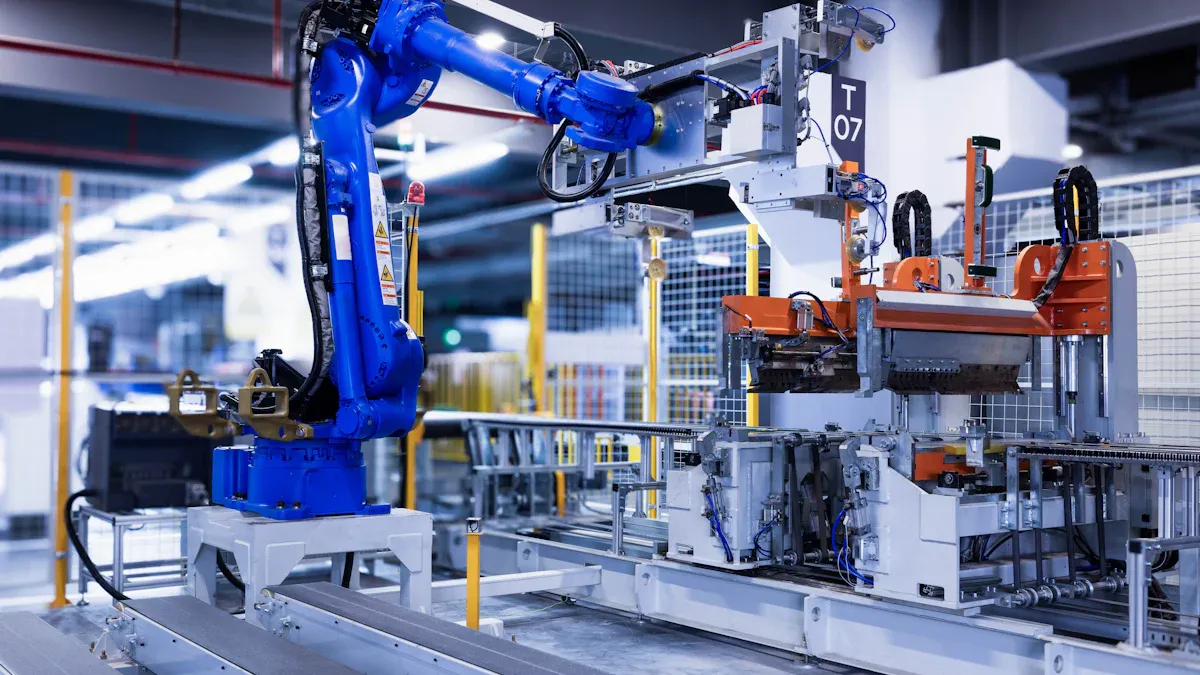
You need the right weld head to get the best results from your welding cell. A versatile weld head lets you switch between different welding jobs without changing the whole setup. You can use one weld head for many types of joints and materials. This saves you time and money. Some weld heads work well for both thick and thin metals. Others let you change the angle or reach tight spots. You can also find weld heads that cool themselves, which helps you weld longer without stopping.
Robotic Arm Adaptability
Modern robotic arms give you more options than ever before. You can reprogram these arms for new welding tasks. This means you do not need to buy a new robot every time your product changes. You can use the same arm for small, detailed parts or for large, heavy assemblies. This flexibility helps you keep up with new orders and different welding needs.
-
Cobot welding arms work safely next to people. They have sensors that stop the arm if someone gets too close.
-
Some cobots use force and torque sensors. These sensors help the robot adjust welding settings on the fly. You get steady welds, even if the material changes.
-
Touch-based teaching lets you guide the robot by hand. You show the robot where to weld, and it remembers the path. This makes setup quick and easy.
You can use these features to make your welding cell more flexible and productive. You spend less time on setup and more time making strong, clean welds.
Future-Proofing Automatic Welding Cells
You want your welding cell to work with new technology. Planning ahead helps you avoid big changes later. Smart planning makes your welding setup ready for the future.
Automation Upgrades
You can make your welding cell better with new automation tools. These upgrades help you make more products and work faster. Here are some ways to upgrade:
-
Semi-automated welding systems let people control some steps. These are good for small shops that want to grow.
-
Special welding automation tools do easy, repeat jobs. This lets skilled welders focus on harder work.
-
Advanced control systems change settings when welding conditions change. This keeps your welds good even if things are different.
System Flexibility
You need a flexible system to handle new jobs. A flexible welding cell helps you work faster and change things easily. Here are some ways to make your system flexible:
-
Program your welding systems for different materials and shapes.
-
Switch between MIG, TIG, or laser welding with little setup time.
-
Use pre-made robotic welding cells to set up faster.
-
One robot can do the work of three welders. This saves space and money.
A flexible system helps you keep up with new jobs and technology. You can make changes quickly and keep your welding cell working well.
Layout Checklist
Best Practices Summary
You can set up a safe and efficient weld cell by following a few key steps. Start with preventive maintenance for your robotic welding system. This keeps your equipment running and helps you avoid costly repairs. Always install and maintain consumables the right way. This extends their life and reduces downtime during the welding process. Give your robot clear access to each weld joint. Good fixture design lets you load and unload parts quickly. Clean your robot and fixtures often. Debris can affect how parts fit together and lower the quality of your welding process. Check that all connections are tight. Confirm the tool center point (TCP) during routine pauses. This keeps your welding process accurate and repeatable.