
Four-Station Machining: Datum and Rotation Clearance
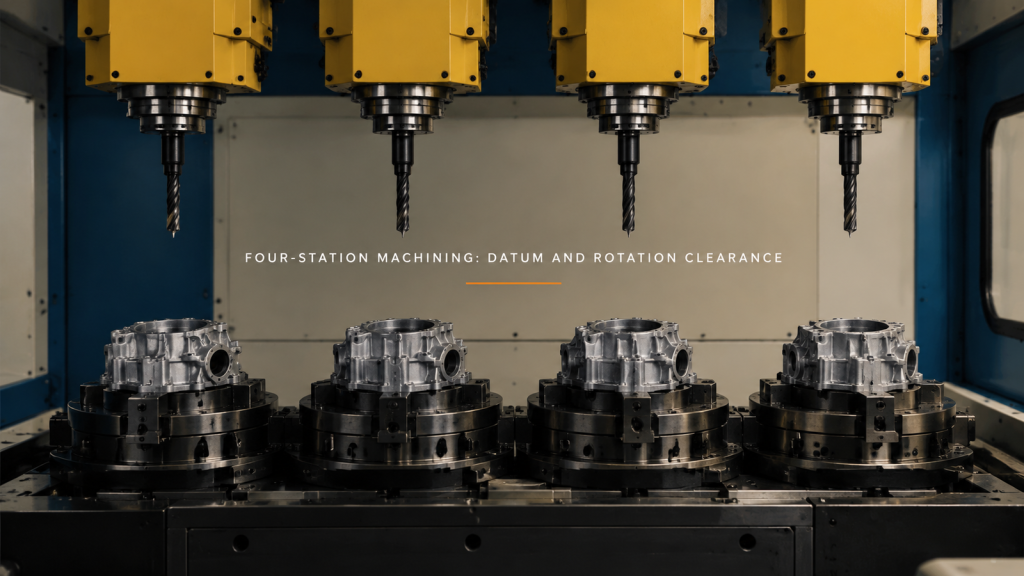
Review four-station machining through workpiece location, tool withdrawal and fixture rotation. Separate visible motion from measured accuracy.
Machine Tending Handoff: Part Support and Gripper Exit
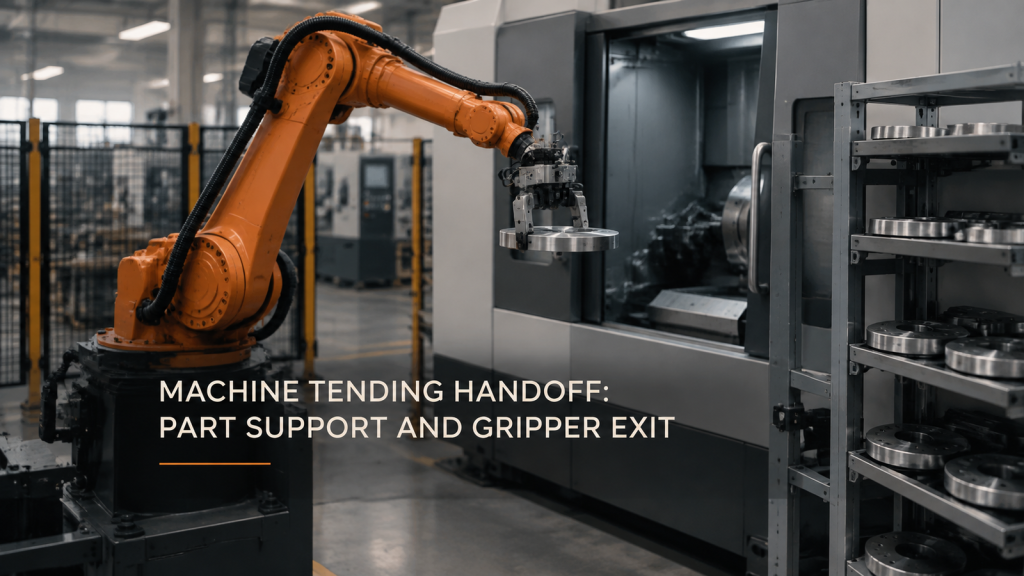
Machine tending handoff depends on continuous part support, receiver clearance and a usable gripper exit. Review the disc and tool together.
Robot Dispensing Bead Consistency at Corners
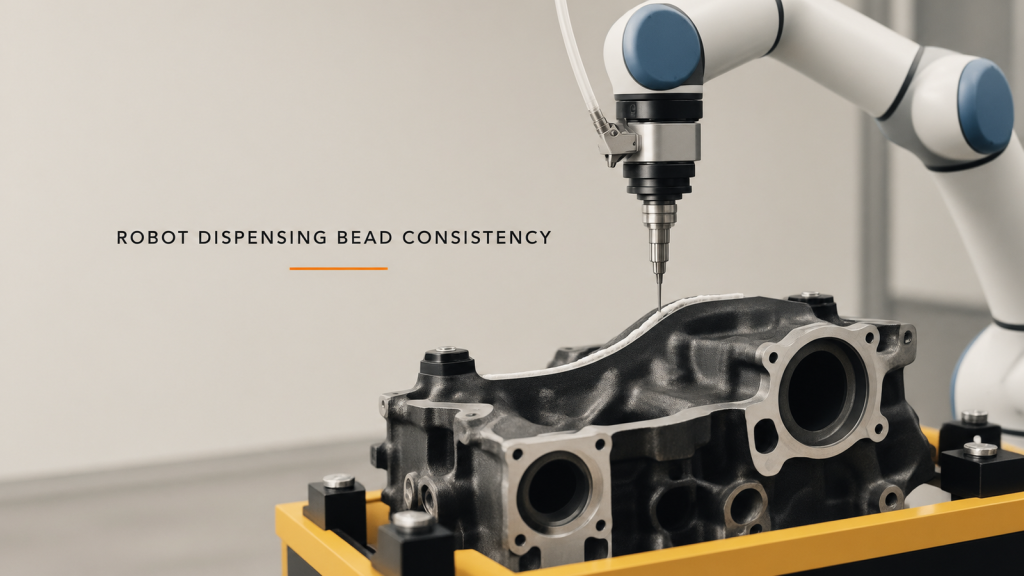
Review robot dispensing bead consistency by connecting corner speed, flow response, nozzle posture and inspection of the actual bead.
Thread Rolling Machine Tending: Align the Handoff
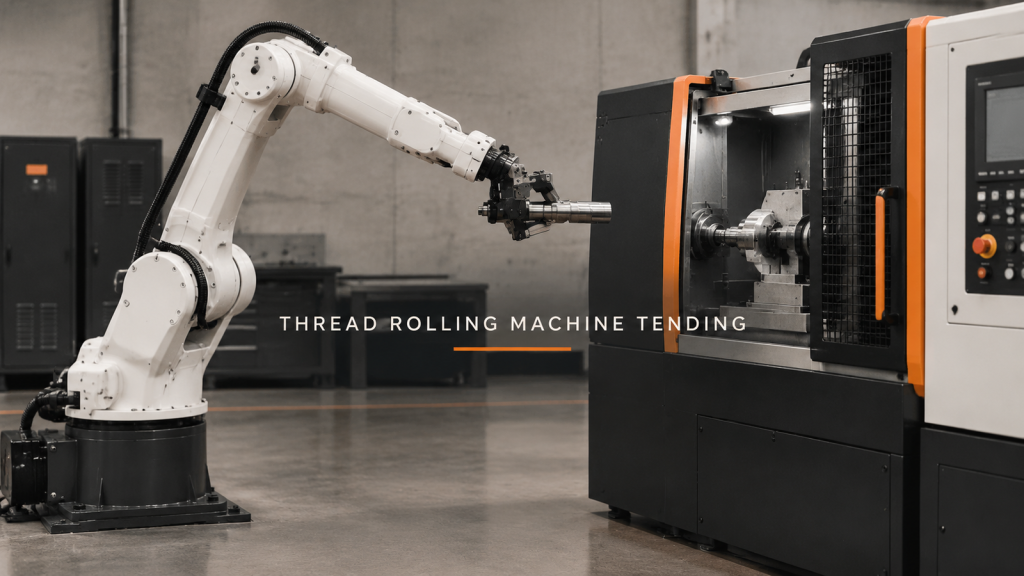
Plan thread rolling machine tending around blank alignment, support transfer, release and safe withdrawal before checking the rolling result.
Dual-Robot Welding: Shared Zone Before Cycle Time
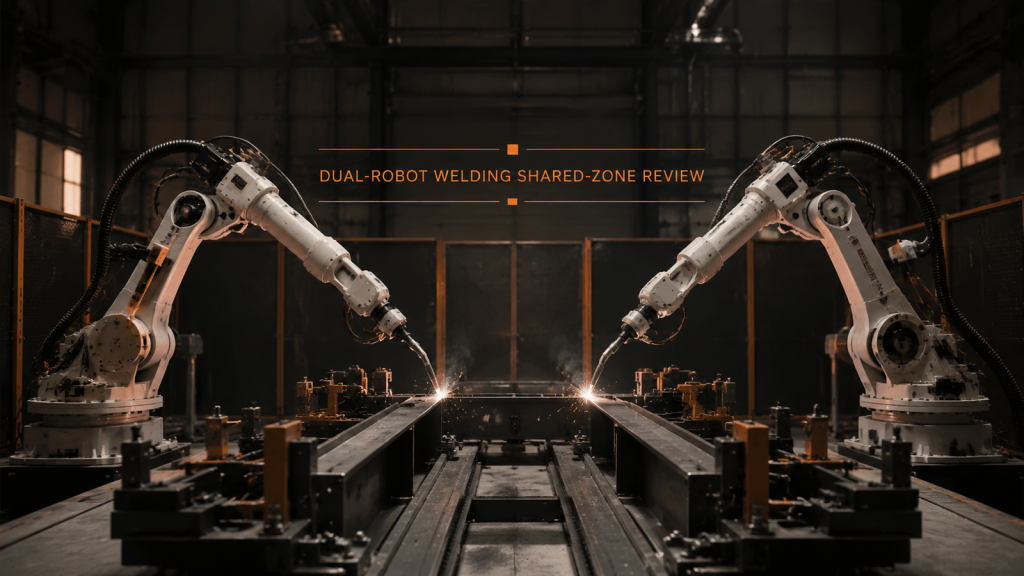
Dual-robot welding needs separate work zones, controlled shared-zone entry, predictable waiting poses and verified recovery before speed.
Robotic Flame Beveling: Locate the Edge First
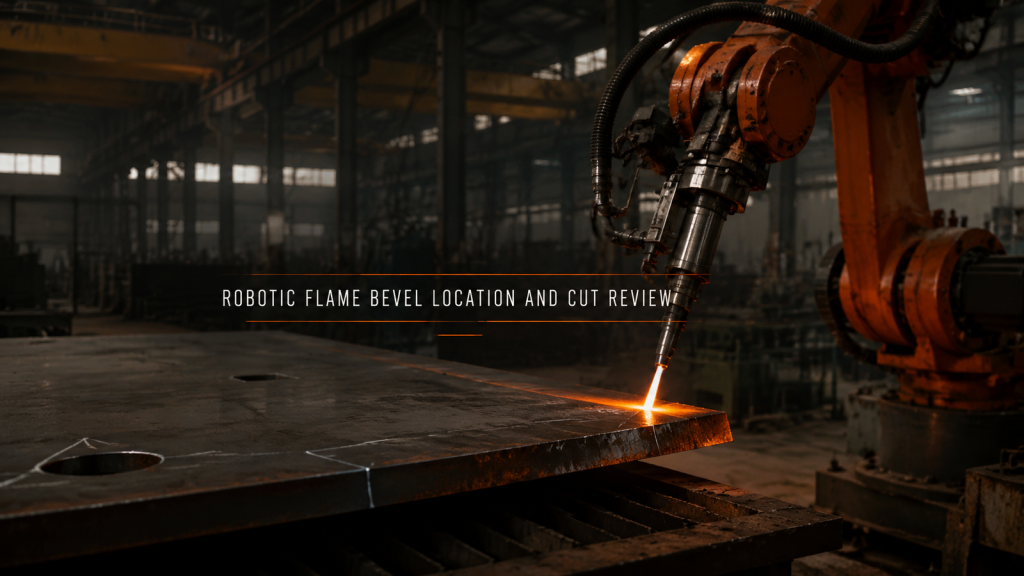
Robotic flame beveling needs a stable plate datum, measured edge location, continuous tool posture and cut-edge acceptance evidence.
Battery Tray Robotic Welding: Datum Before Path
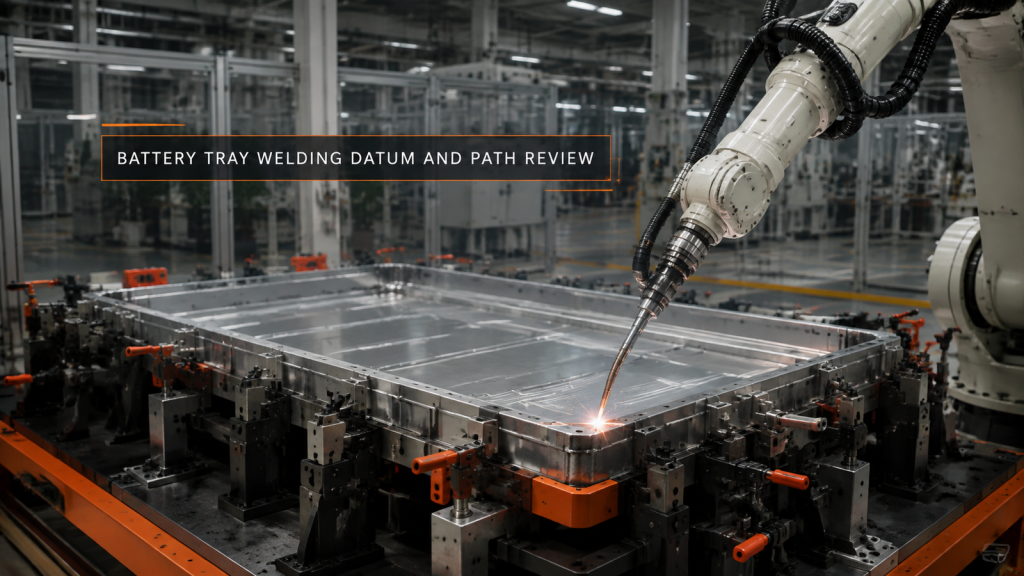
Battery tray robotic welding starts with a stable fixture datum, zoned seams, full-path torch clearance and a measured distortion plan.
Cookware Polishing: Stabilise the Part Pose
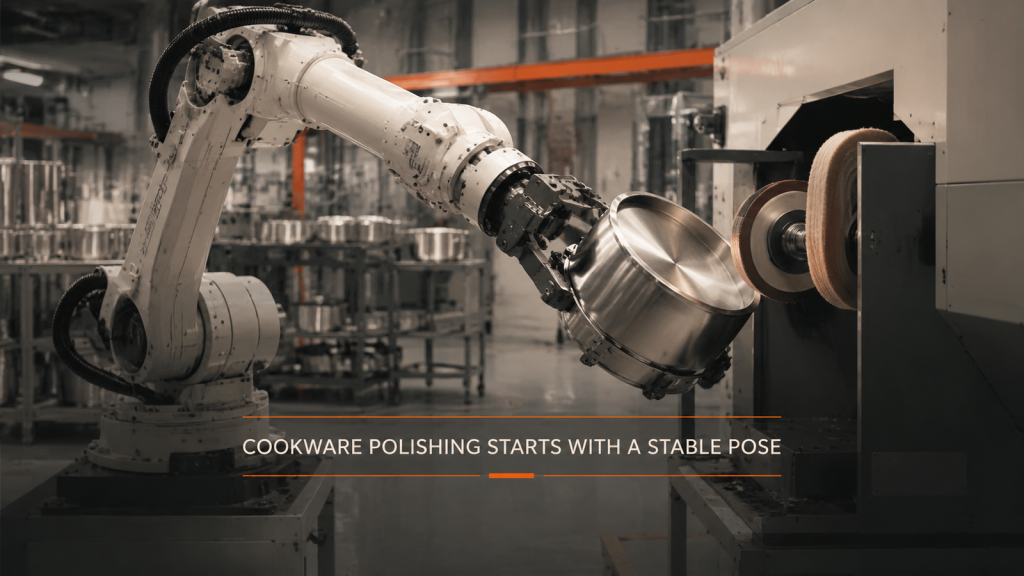
Cookware polishing automation starts with a stable grip datum, complete approach, controlled surface angle and clear retreat before pace is estimated.
Rebar Processing Automation: Locate Before Transfer
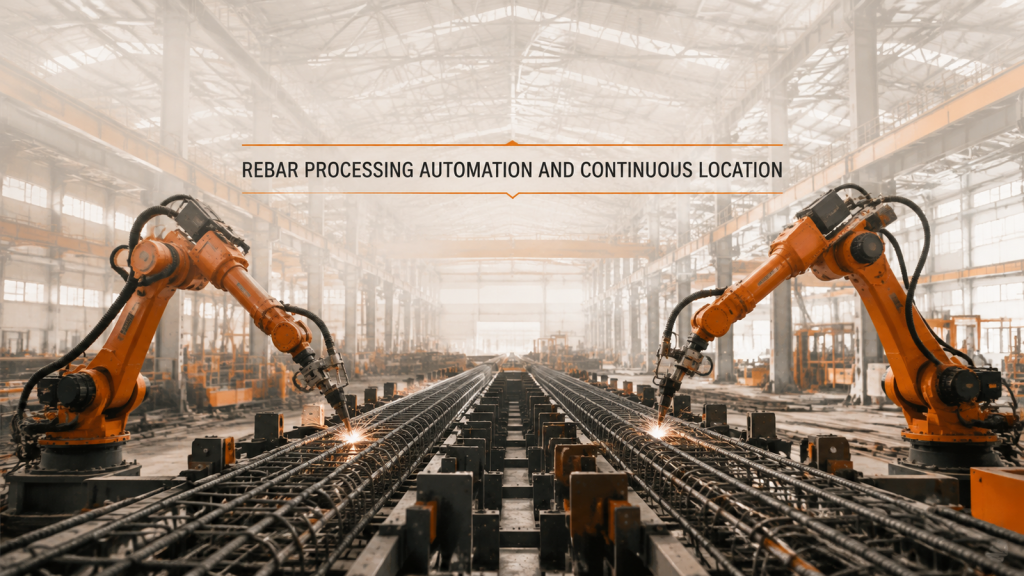
Rebar processing automation needs a continuous datum along a long assembly before transport and two-robot coverage can repeat reliably.
Robotic Die-Casting Tending: Prove the Path First
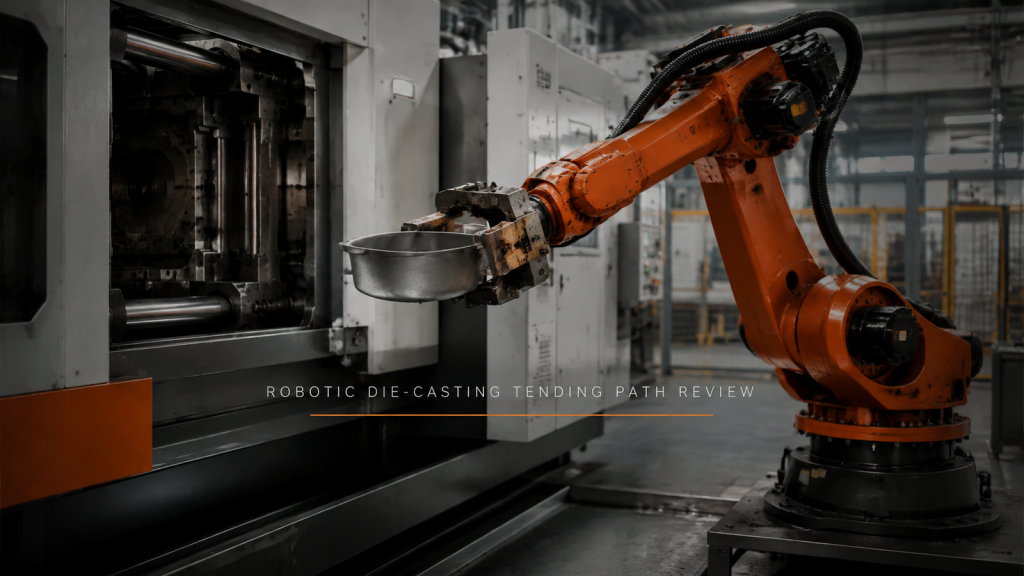
Robotic die-casting tending begins with a verified approach, grip, clear exit and drop route before cycle-time assumptions are made.
Reach Is a Set of Postures, Not a Distance
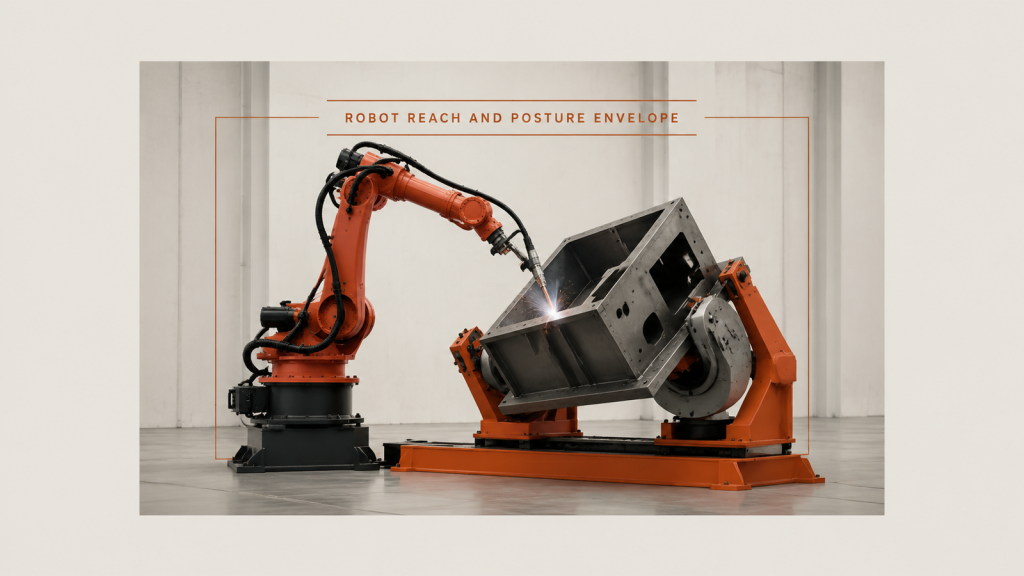
Robot reach and posture envelope: access is decided by posture, which changes along one seam and starts again at the next, not by a single distance.
After Cold Bending, the Part Has to Be Located Again
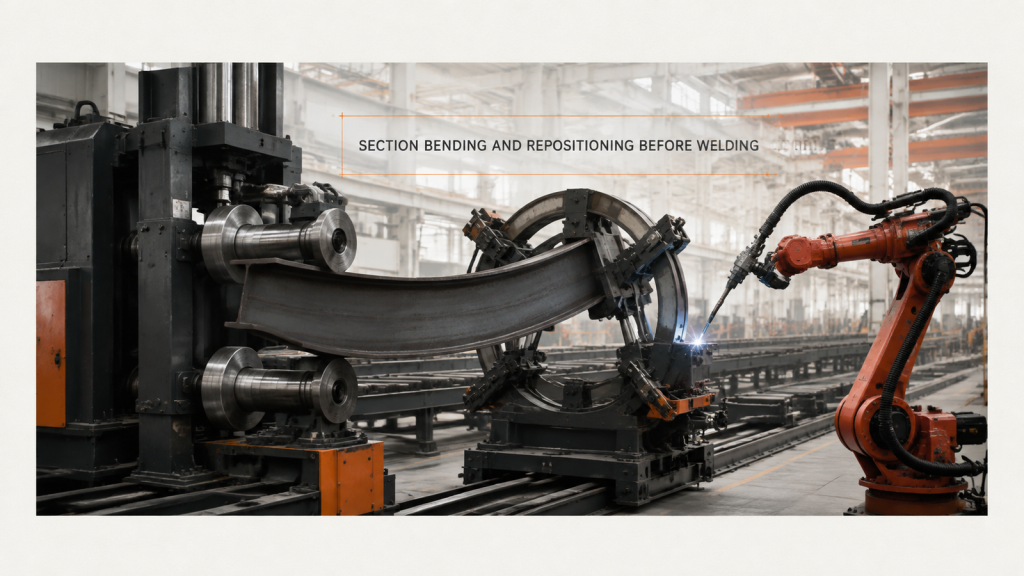
Cold bending curves the face a section was located from, so section bending and repositioning means clamping the arch again before any seam is welded.