
Choose the packing motion from the way packs arrive and the pattern required inside the case. Individual picking is worth considering when position, orientation, SKU or destination varies from pack to pack. A group transfer becomes attractive when upstream equipment can present a stable pattern that a single tool can grip and place without repacking it. The wrong choice can move manual work upstream into product collation or downstream into correcting the case.
The case footage shows two delta mechanisms making repeated transfers in the area between a small-pack conveyor and open cartons. That visible motion illustrates the individual-pick route. It does not show the sensing method, a measured rate or the performance of the wider packing line.
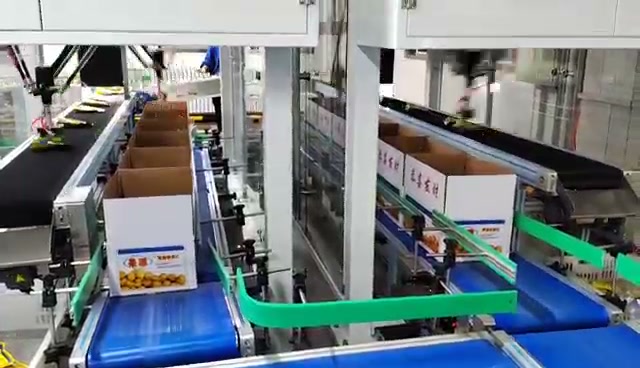
The useful evidence is the relationship between infeed and case opening. A design trial must establish how packs are presented at that handoff.
Start with what the conveyor actually delivers
A robot that picks one pack at a time can route each available pack to a required case position. This can help with mixed products or changing case patterns, provided the system can locate a usable gripping point and keep track of what belongs in each case. The buyer should define those requirements before selecting sensors and controls.
If the infeed instead delivers a stable row or layer, a group transfer may remove repeated back-and-forth movements. That apparent simplicity depends on work done before the transfer: packs must be collated, spacing must be controlled, and the tool must contact the group without squeezing or misaligning it. If one absent or rotated pack disrupts the whole group, the savings in robot motion may be lost to upstream sorting or operator intervention.
The real comparison therefore includes all work from infeed to accepted case, not just the motion of an end effector. Product variation and different box recipes can favor selectable picks; stable presentations can support simpler placement patterns.
Let the case pattern expose the trade-off
Place the shop’s most common case pattern beside its most variable one. For each, show how packs arrive, where they may be gripped, how they must sit in the box and what happens to a missing or unsuitable pack. A route that looks efficient on the common case may need a new group gripper for the second pattern. A piece-picking route may only need a changed placement recipe, but it still has to complete each pick reliably.
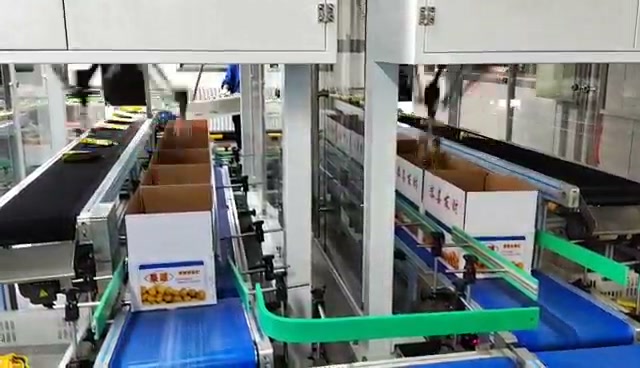
The case opening constrains approach and release. Trial the actual carton and pack material when comparing grippers.
This is also why the case mouth matters. Carton flaps, depth and the allowed orientation of a soft or sealed pack determine whether the tool can release the product cleanly. The next machine may need a specific layer height or arrangement. Group and piece routes can both work; the buyer should choose on the full packing requirement, not on a single fast pick filmed in isolation.
Scope the first packing cell around repeat orders
Start with the case formats that account for the recurring work. If one packing pattern dominates, a focused cell may be easier to set up and keep running than a design that tries to accept every rare variant on day one. If changeovers are frequent, the time to adjust grippers, guides and recipes belongs in the comparison. The first trial should pack the actual materials into the actual cartons and include a changeover between representative formats.
For a useful proposal, send EVST photos or short clips of the incoming packs, conveyor and open cartons, along with two representative case patterns and changeover frequency. We can discuss whether individual picking or group transfer is the better starting route, what presentation and gripper work it requires, and which formats belong in the first packing trial. A few shop-floor photos are enough to begin.