Built-to-order linear motion systems

Robot Track – 7th Axis Robot Transfer Units (RTU)

Extend a robot’s working range across machines, stations or long workpieces. EVST designs ground, sky and truss robot tracks for your robot, travel, load, duty cycle, environment and site conditions.

Custom-built for each project Ground, sky and truss layouts Ground-track configurations up to 6,000 kg rated carriage load

What it is

Add a coordinated linear axis to your robot

A robot track is a powered linear axis that carries an industrial robot between work positions. Also called a 7th axis Robot Transfer Unit, it expands the robot’s working envelope so one robot can serve long parts, multiple machines or separated process stations. Floor-mounted versions are also known as a ground rail or floor rail.

Product family

Choose the layout that fits the workcell

The track structure is selected based on available floor space, workpiece access, robot orientation and the process path. Ground, sky and truss systems are engineered for the robot, installed mass and project conditions.

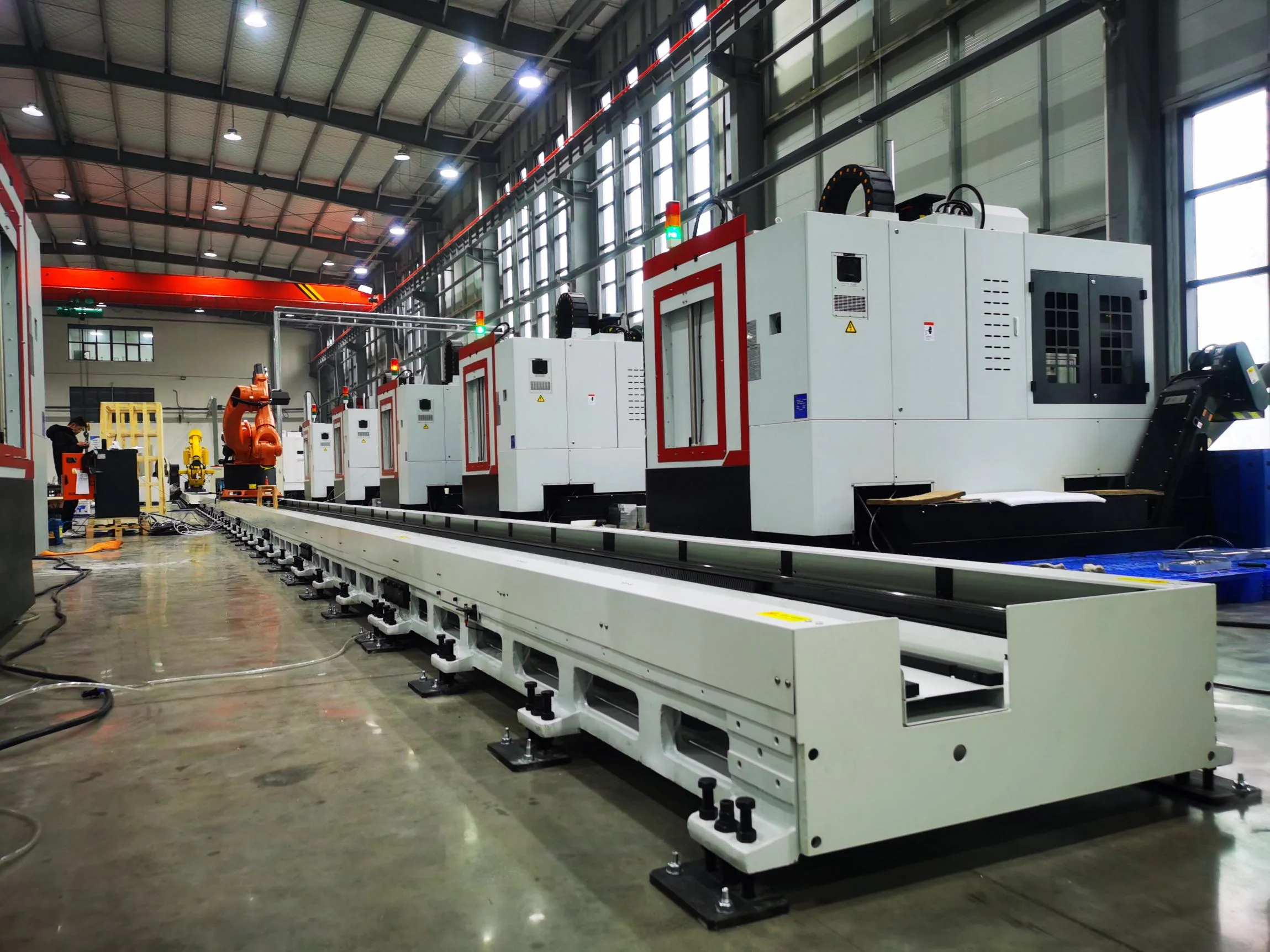
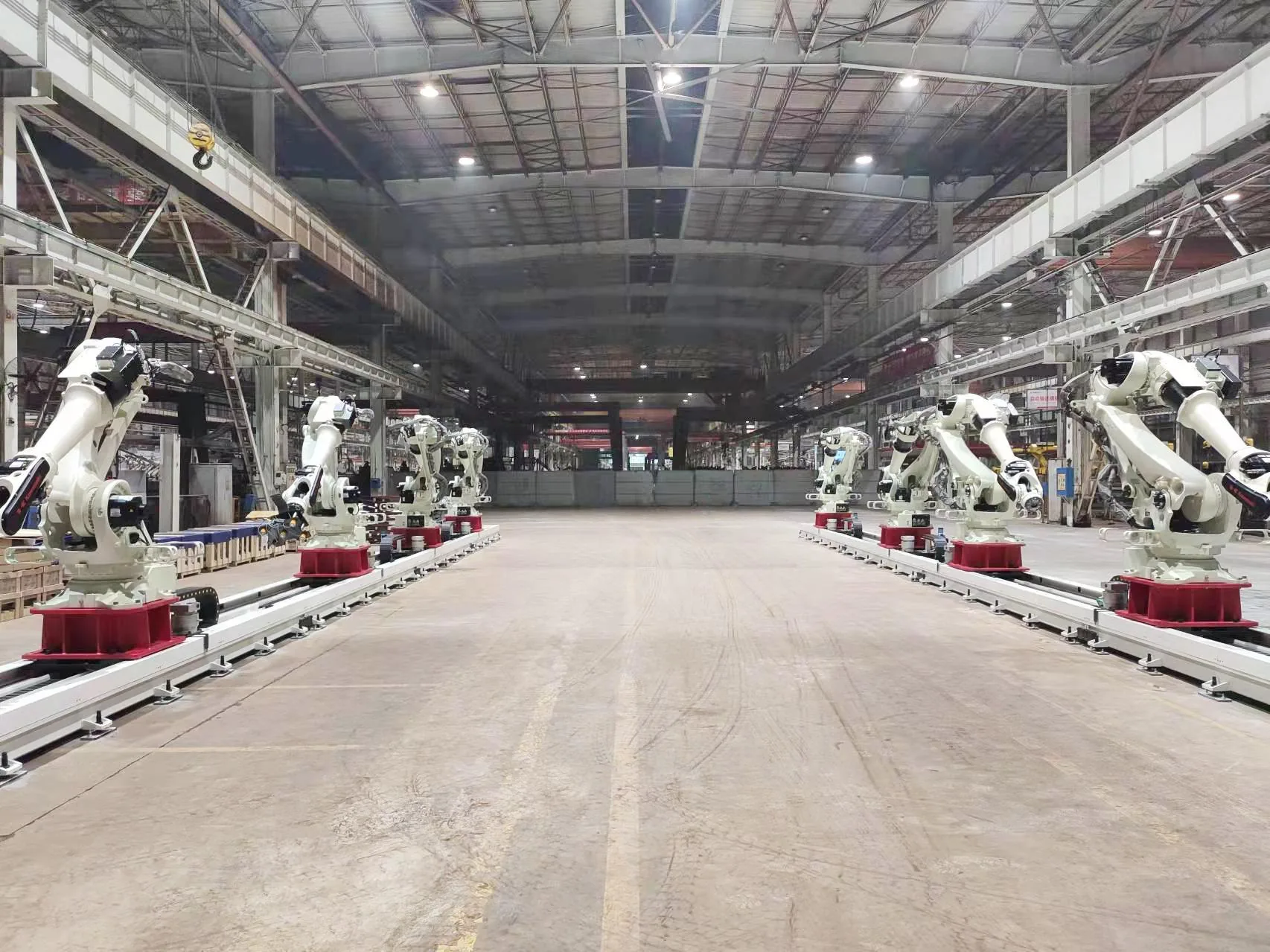
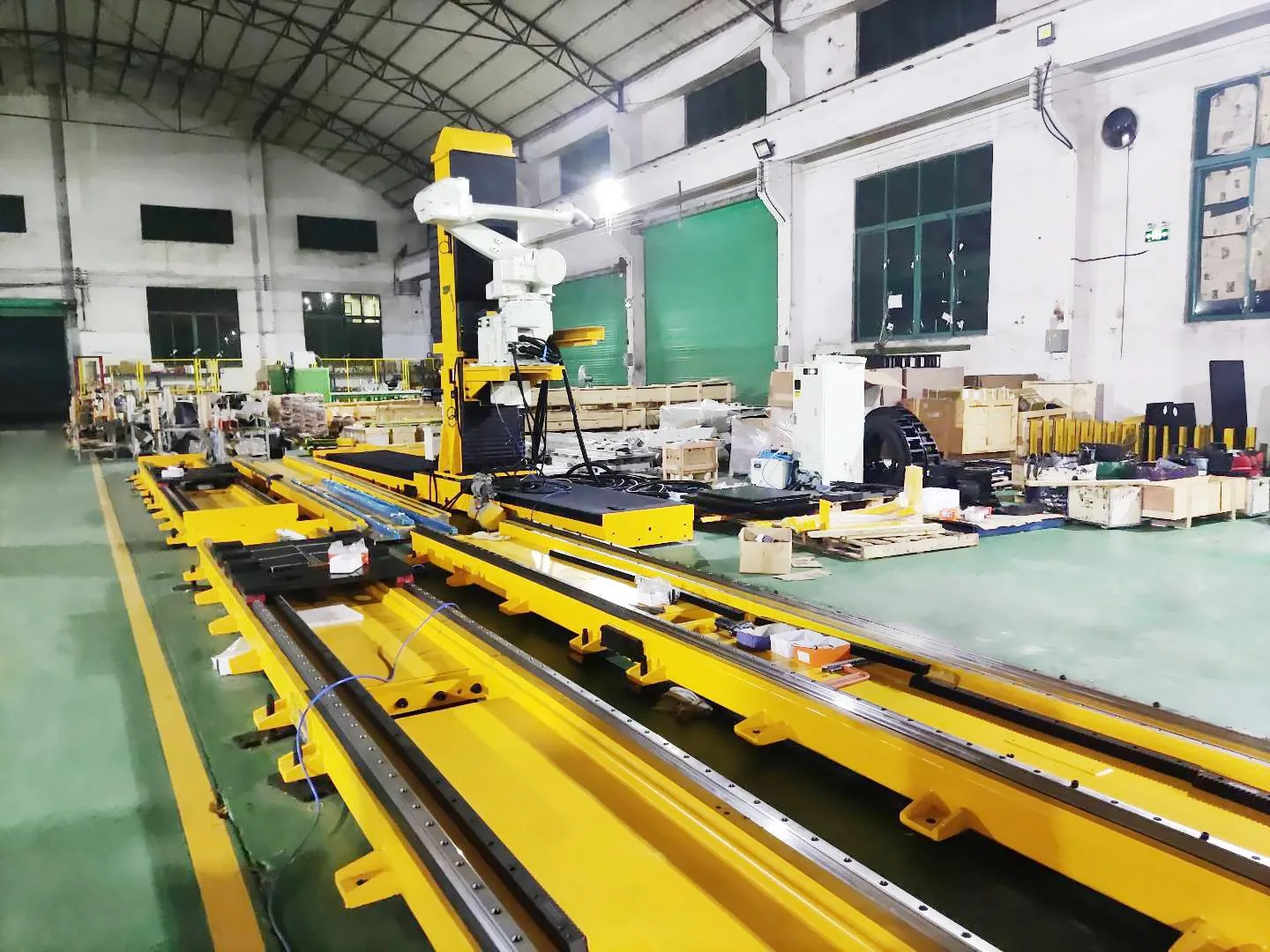
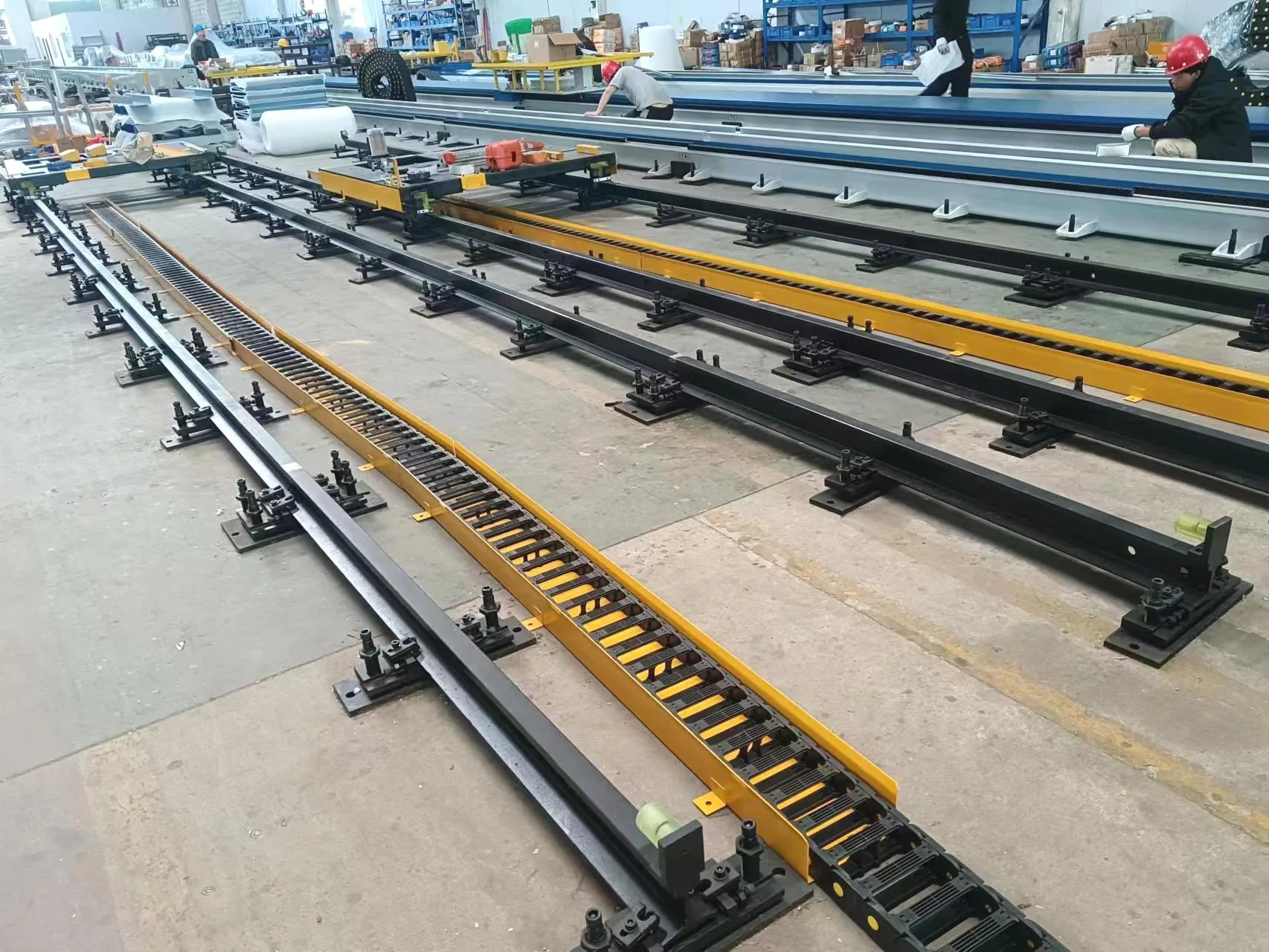
Ground-mounted robot tracks being assembled in the workshop

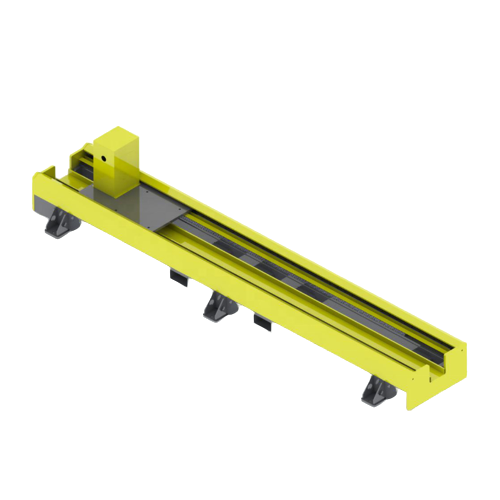
Ground rail

Ground Rail (floor-mounted track)

A practical layout for moving a robot alongside machines, fixtures or long workpieces. Base construction, travel and protection are specified for the project.

Choose it when: accessible floor-level service and a direct path beside machines are priorities.
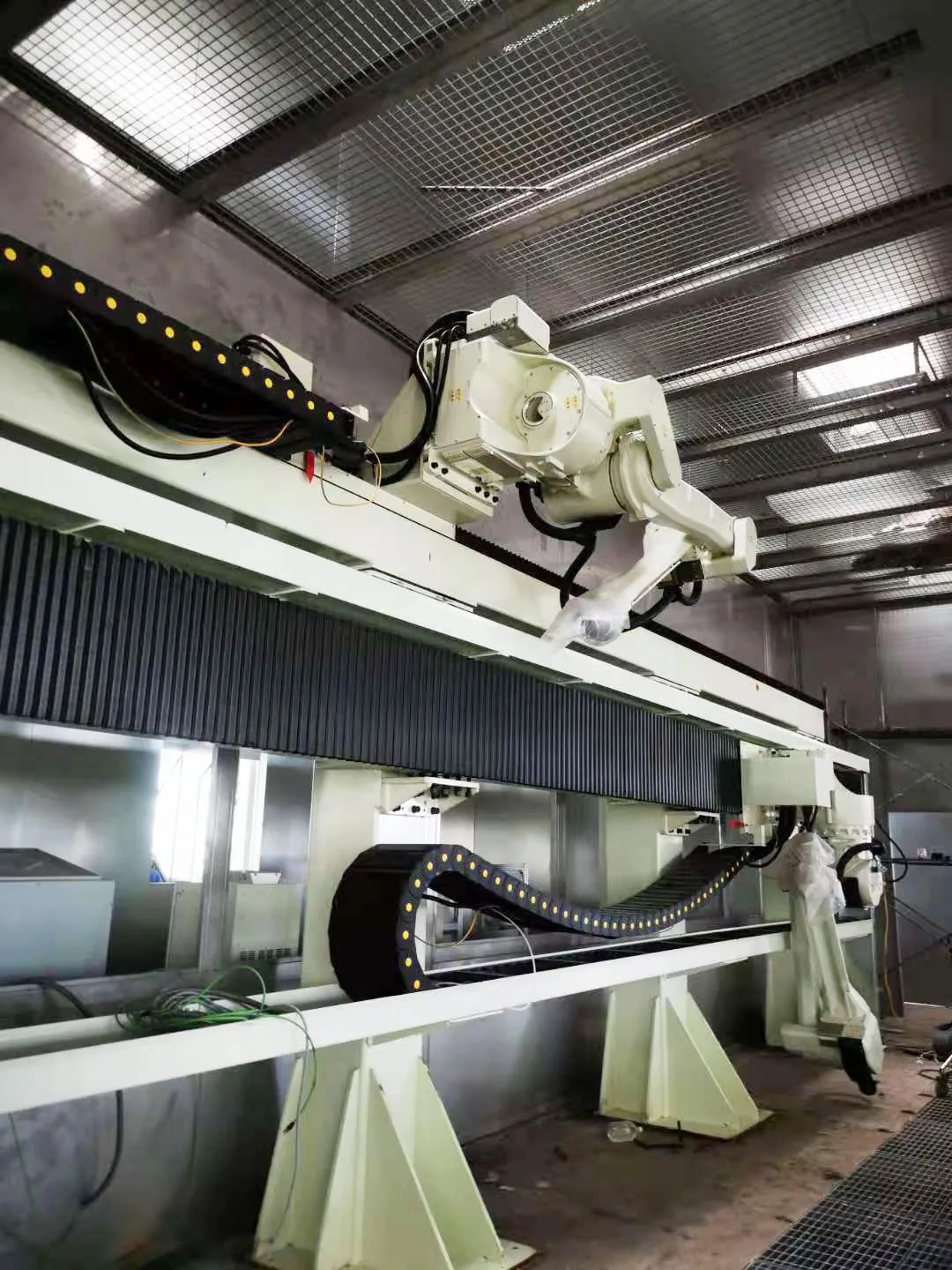
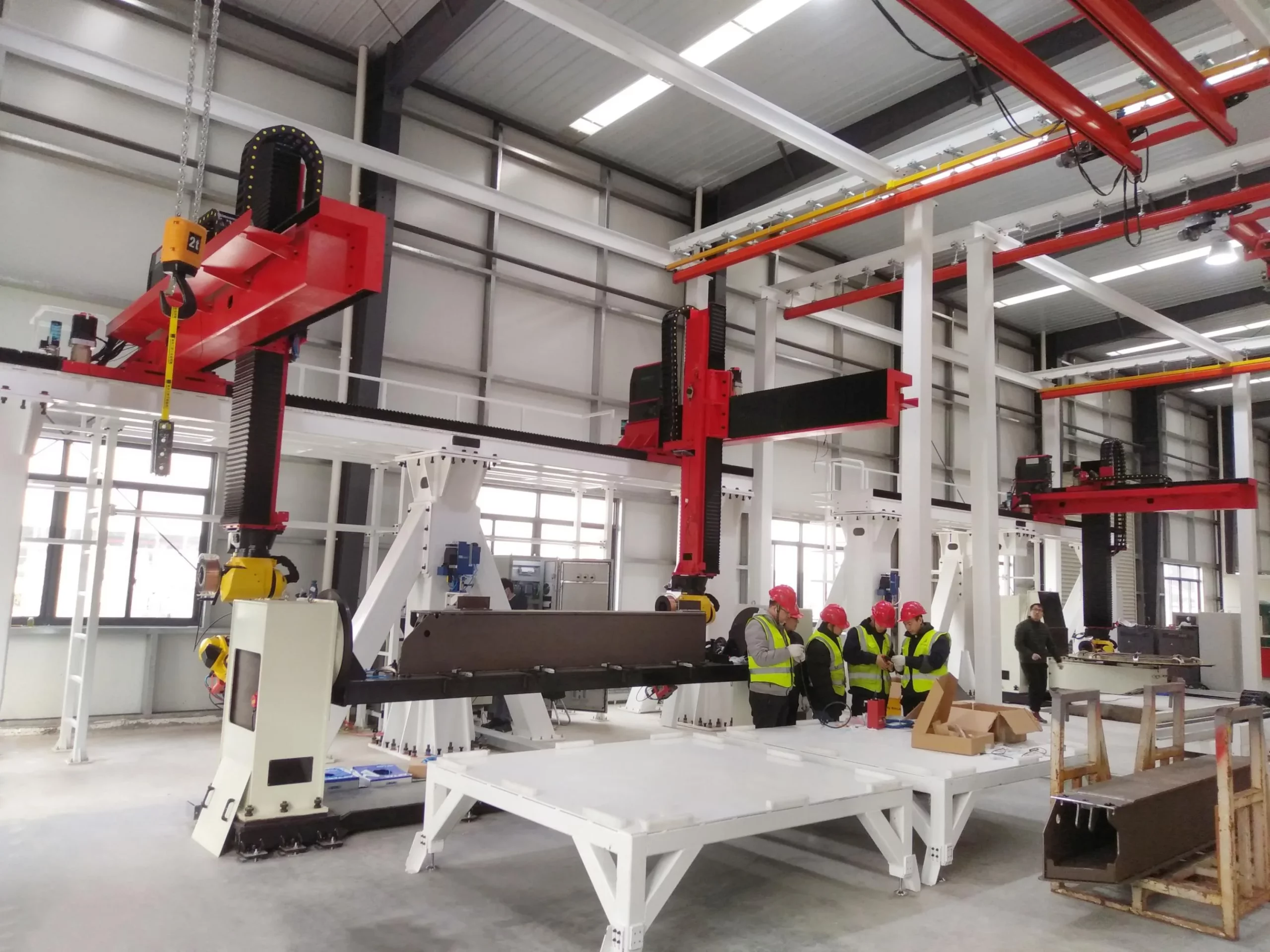
Elevated robot track carrying a robot above a work area

Sky rail

Sky Rail (overhead / elevated track)

Moves the robot above the work area to preserve floor access or approach a process from an elevated orientation. Structure and interfaces are engineered for the cell.

Choose it when: freeing floor space or approaching the process from above matters.

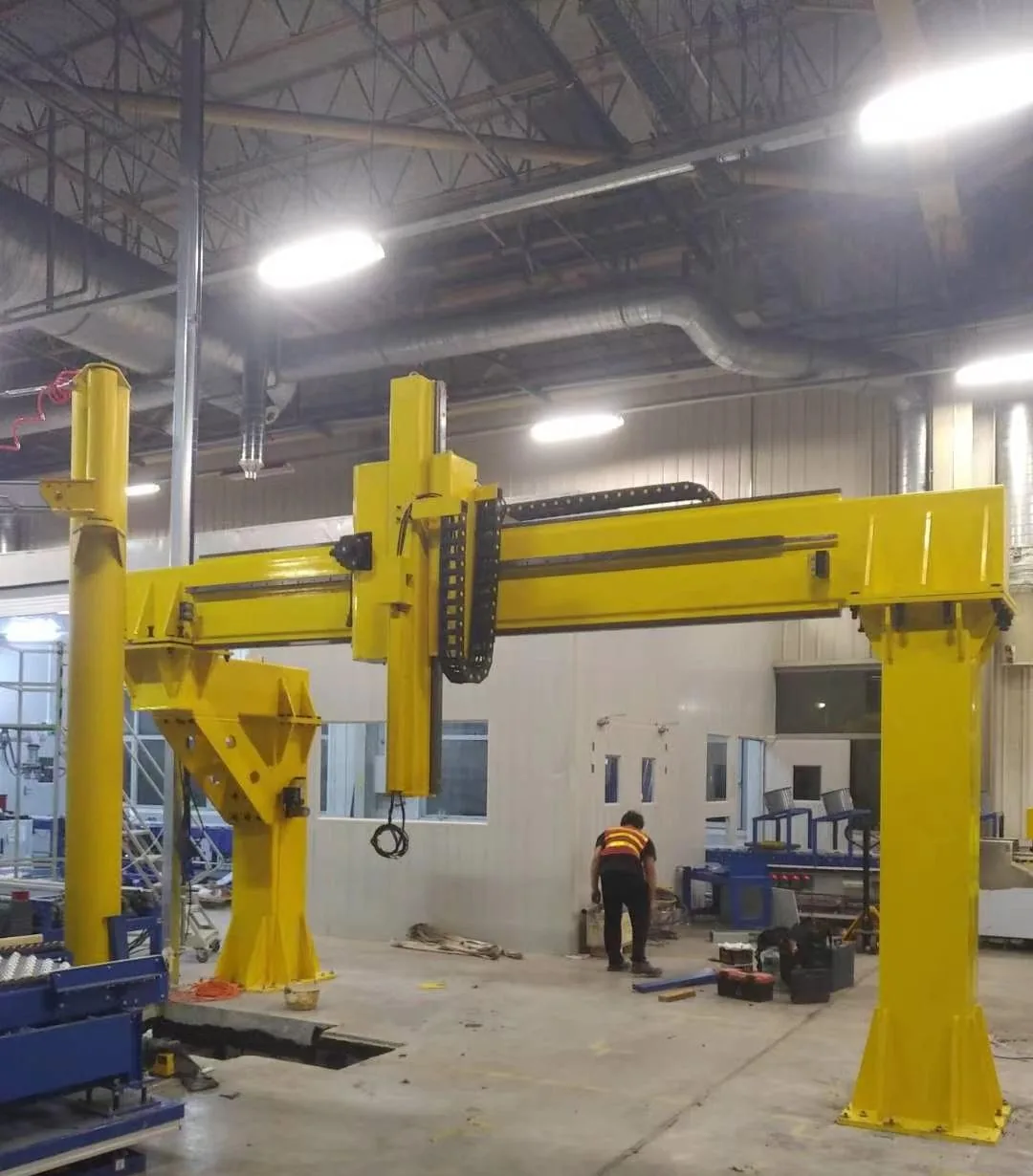
Truss robot rail structure installed in a workshop

Truss rail

Truss & Gantry Systems

A portal-style structure for larger work envelopes and application-specific motion arrangements. Span, axes, interfaces and structural details are engineered per project.

Choose it when: one ground axis cannot cover the required span or coordinated motion in more than one linear axis.

Selection process

Seven inputs for a workable configuration

A useful enquiry does not need a finished specification. Start with the operating requirement and available site information; the track can then be sized for the installed mass.

Application and workpiece

Describe the process, part size, stations and how the robot needs to approach the work.

Robot and installed mass

Provide the robot make/model, robot body mass, riser or fixtures mounted on the carriage, and wrist payload.

Travel and reach

State the required effective travel or share a cell layout so end clearances and robot-base length can be considered.

Motion requirement

Share the target speed, repeatability, duty cycle, stops and any required coordination with the robot controller.

Mounting orientation

Choose an initial ground, elevated, inverted or truss concept based on access and process geometry.

Environment and protection

Identify dust, spatter, liquid, temperature and cleaning conditions that affect enclosure and material choices.

Site and interfaces

Provide foundation conditions, utilities, available space, safety interfaces and delivery constraints.

Structure and protection

Construction follows the load and environment

EVST can configure welded or cast structural approaches and match the external protection to the workcell. The final choice depends on the moving mass, span, process conditions and maintenance needs.

Fully enclosed protective covers
Bellows protection
Checkered-plate cover
Semi-enclosed sheet-metal cover
Custom 304 stainless-steel construction
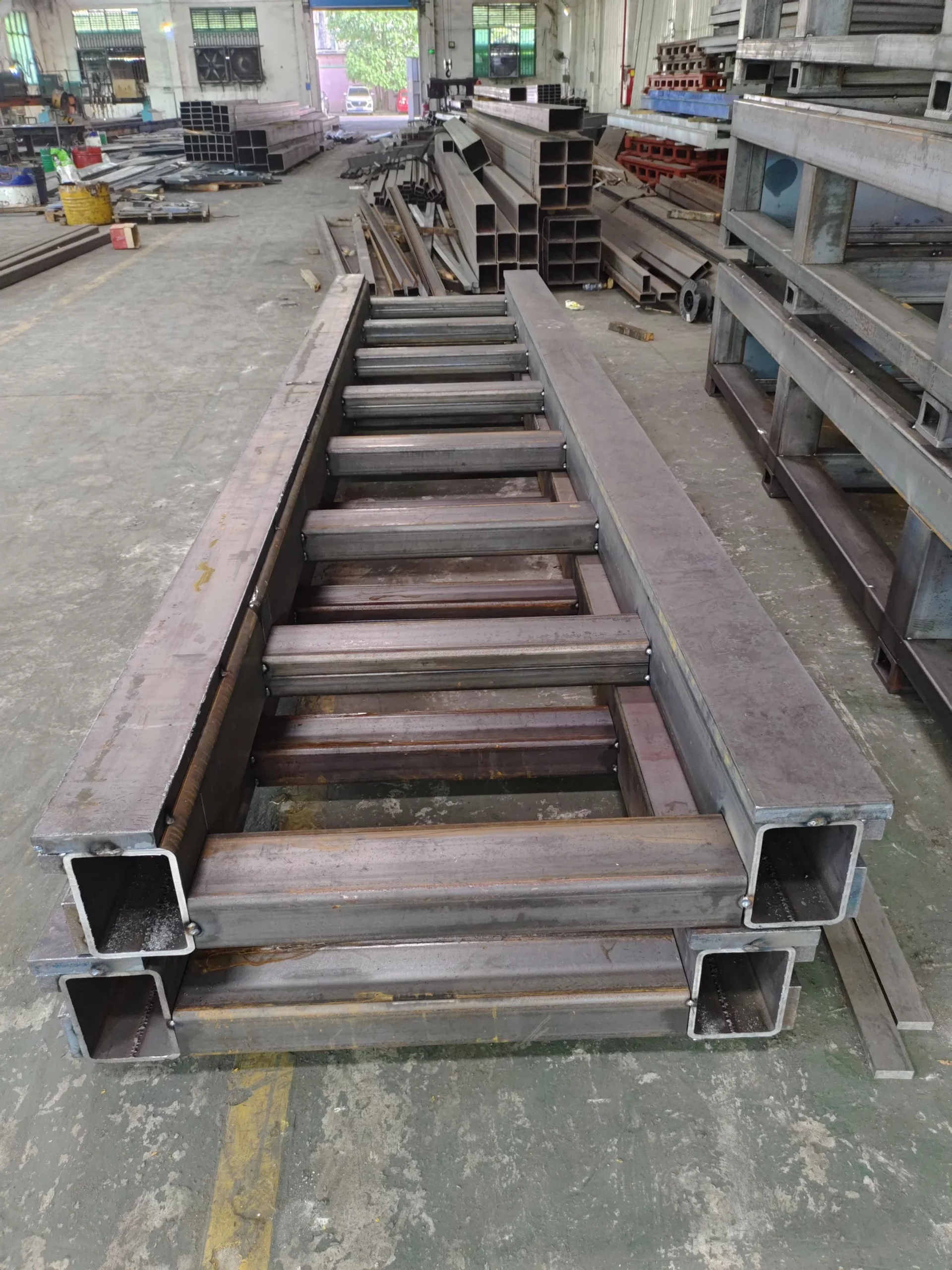
Welded steel track frame under fabrication

Welded structure

Fabricated around the required length, interfaces and load case.

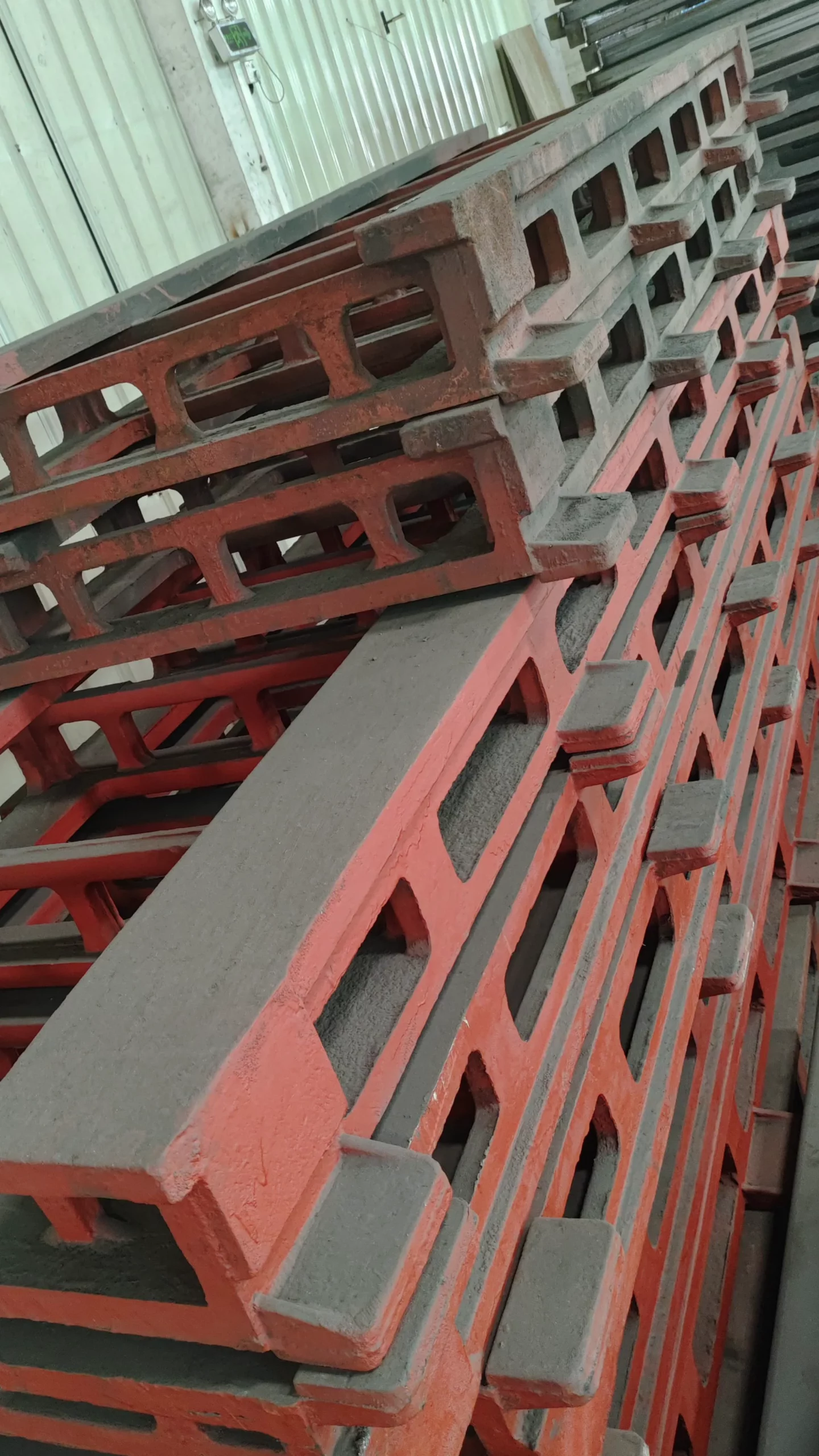
Cast structural track components before machining

Cast structure

Available where the engineering configuration calls for cast structural components.

Applications

Move one robot across more of the process

Robot tracks are used when the process is longer than the robot’s fixed-base working envelope or when one robot needs to serve separated work positions.

Machine tending

Serve a row of machine tools from a shared linear path.

Welding

Reach long structures, multiple fixtures or separated weld stations.

Material handling

Transfer parts between process positions across an extended cell.

Palletizing

Cover multiple pick and place positions with one moving robot base.

Spraying

Move along tall or extended surfaces in an enclosed process area.

Battery drying-line handling

Travel between storage or process bays in a battery production line.

One track, multiple machines

Coordinate a robot with several machines where cycle planning allows.

Large-component processing

Use ground, elevated or truss layouts to access larger work envelopes.

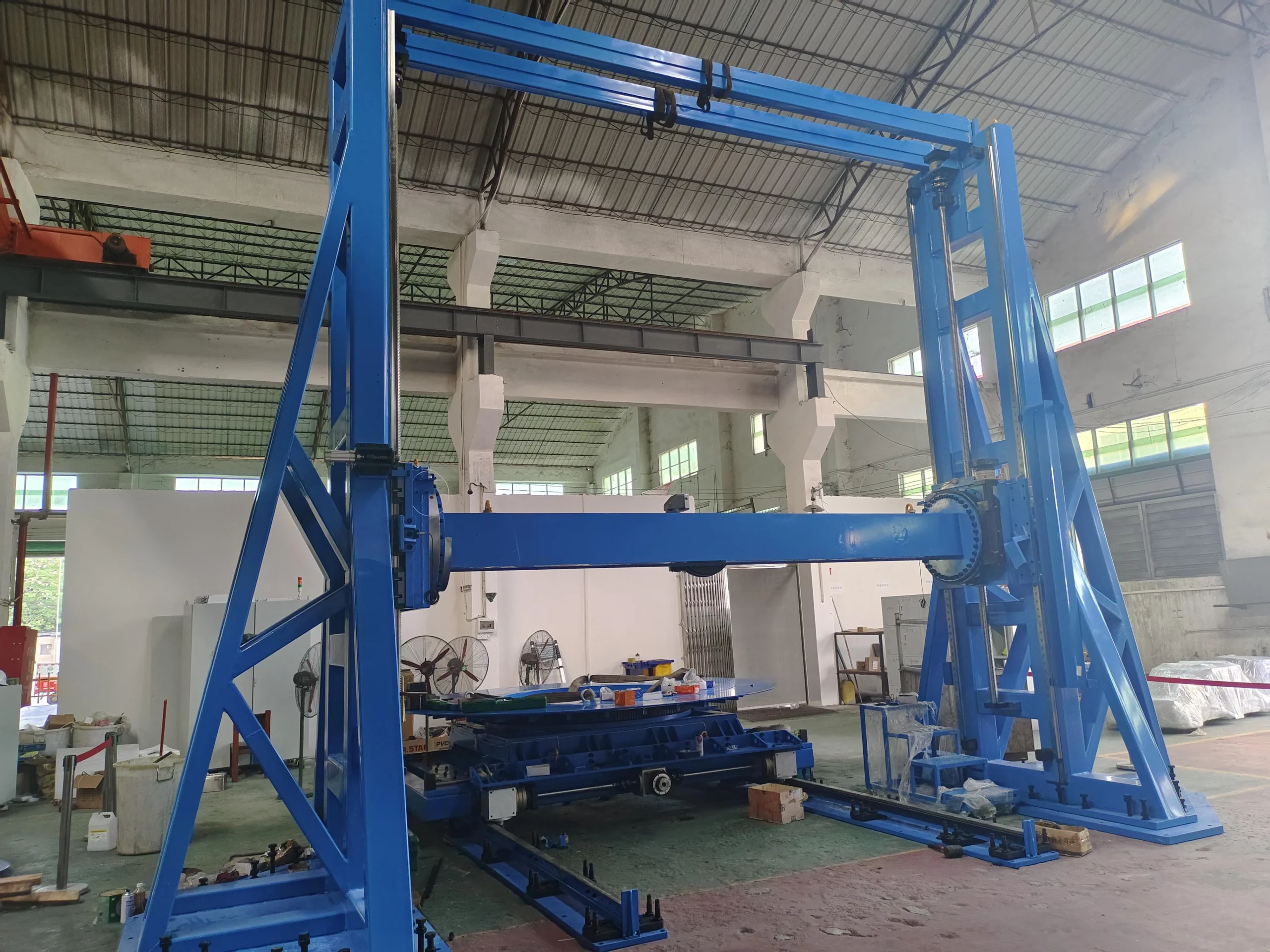
Heavy-duty custom project

Custom gantry motion for a 10-ton handling requirement

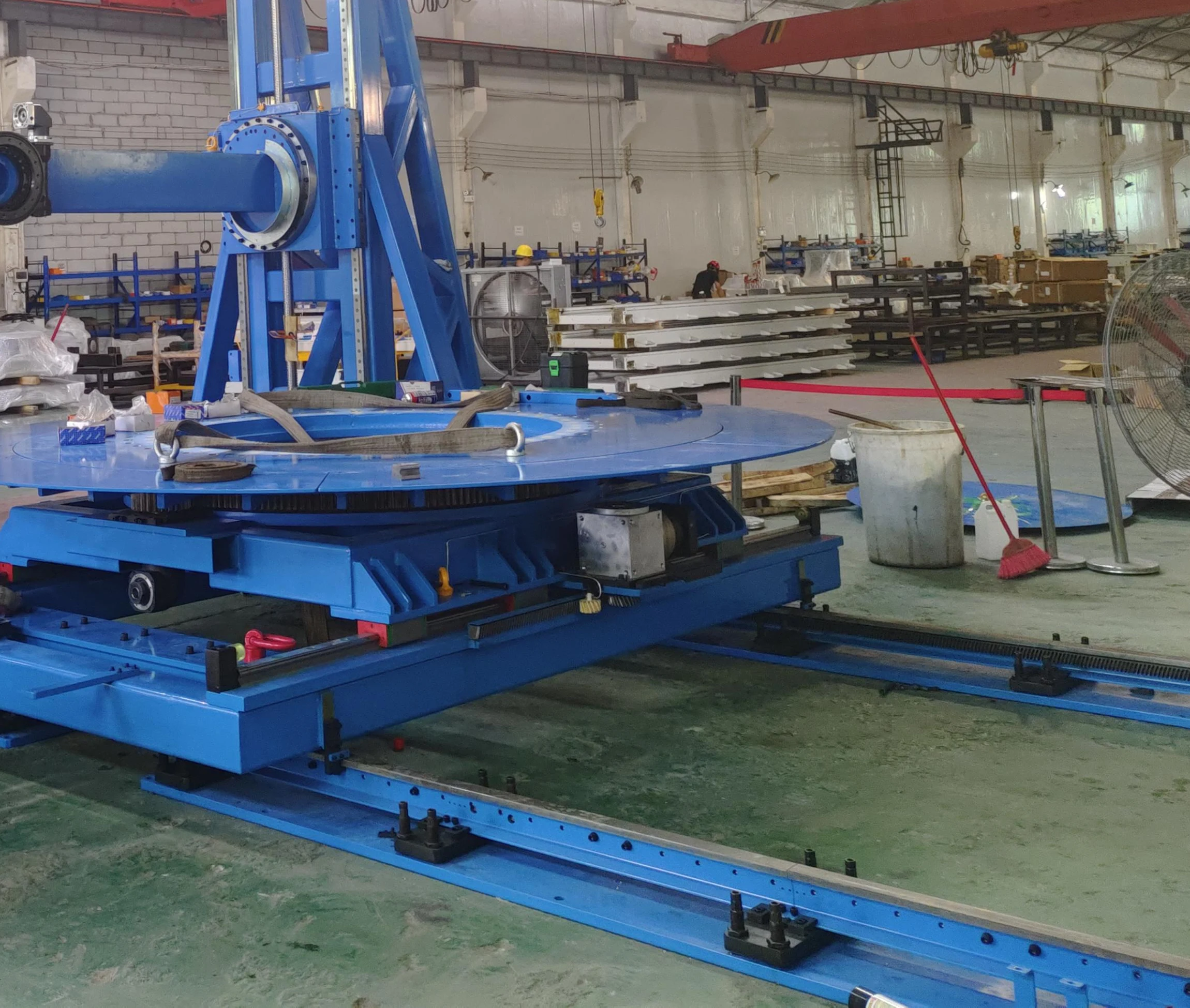
EVST has built a custom gantry rail for a 10-ton handling application. This is a project example, not a standard product rating or a promise that the same layout fits another application.

Engineered from the project load case and working envelope
Structure, axes and interfaces defined after technical review
Final capacity and motion parameters confirmed per project
Blue custom heavy-duty gantry motion system in a production workshop
Custom gantry equipment and track modules in a production workshop

Why EVST

Configuration, fabrication and checks in one workflow

Application-led engineering, backed by 15+ years of team experience in track systems

Robot, load and layout inputs are translated into drive sizing, structural configuration and integration requirements before the final design is released.

Multiple in-process inspections

Checks at key production stages cover hole position, flatness and no-load running condition so issues can be identified before delivery.

Machining capacity for critical interfaces

Multiple machining resources support dimensional control for mounting holes, locating surfaces and track-module interfaces.

Stress-relief annealing

Structural components undergo annealing to reduce residual stress and support long-term dimensional stability.

Frequently asked questions

Robot track planning basics

What is a robot track?

A robot track is a powered linear axis that moves the robot base between work positions. It extends the robot’s working envelope and can let one robot serve a longer process path or multiple stations.

How do I choose between a ground, sky and truss layout?

Start with the process geometry and site constraints. Ground tracks are accessible and direct; sky tracks preserve floor access or support elevated orientations; truss systems cover larger, application-specific work envelopes. EVST confirms the structure after reviewing the cell layout.

Is rated carriage load the same as robot wrist payload?

No. Rated carriage load applies to the moving platform and includes the robot body. Wrist payload is the load handled at the robot flange. Provide both values, plus any riser or equipment mounted on the carriage.

How does total track length relate to effective travel?

Effective travel is shorter than the overall track assembly because the robot base and required end clearances occupy part of the length. Final travel is confirmed from the cell layout.

Can the track length be customized?

Yes. The reference uses 3, 4, 5 and 6 m modules, while the overall track and effective travel are configured for the project. Longer or different arrangements require engineering review of the structure, joints and site.

What protection options can be considered?

Available options include fully enclosed protective covers, bellows, checkered-plate covers and semi-enclosed sheet-metal covers. Custom 304 stainless-steel construction can also be considered for applicable projects.

What site information is needed?

Share the available footprint, foundation information, utilities, machine and fixture positions, access restrictions and any required safety or controller interfaces. Photos and a cell drawing are useful for an initial review.

What should I send for an initial configuration review?

Send the robot make and model, installed mass, wrist payload, required travel, application, target speed and repeatability, duty cycle, environment, preferred layout and available site drawings.

Start with the requirement

Prepare your robot-track inputs

Send the robot model, installed mass, required travel, application, duty cycle, environment and a cell drawing if available. EVST can return an initial configuration recommendation and layout feedback.

Send your requirements
EVST logo
Privacy Overview

This website uses cookies so that we can provide you with the best user experience possible. Cookie information is stored in your browser and performs functions such as recognising you when you return to our website and helping our team to understand which sections of the website you find most interesting and useful.